Why Your Workout Recovery Feels Off and What to Do About It
If your recovery feels more draining than your workouts, here’s what could be stealing your energy.
It might be tempting to shrug off that heavy fatigue as a sign of a job well done, but dragging yourself through the rest of your day isn't a badge of honor. That kind of lingering exhaustion can signal that your body isn’t getting what it needs to bounce back. Workout recovery is the moment your progress is actually made. When your body repairs, rebuilds, and refuels. Without it, you're caught in a cycle of doing the most and gaining the least.
Even with a consistent fitness routine, if your muscle recovery game is weak, your gains will plateau, your energy levels will dip, and your motivation might waver. Recovery after workout sessions is where your body learns to work smarter, not harder. That means fewer crashes, less soreness, and a noticeable lift in how you feel overall.
Why Sleep, Stress, and Fuel Matter More Than You Think
So what’s sabotaging your best workout intentions? Often, it’s not the session itself but what surrounds it. Sleep, stress, and what you’re feeding your body form the recovery triangle that holds everything together.
Sleep Is More Than Rest
Sleep isn't just a nice-to-have. It's the reset your system depends on to regulate hormones, rebuild muscles, and process inflammation. If you’re waking up groggy or reaching for caffeine more than usual, your body might be crying out for deeper rest.
Stress Plays a Bigger Role Than You Think
Stress, the kind that simmers in the background from work, relationships, or even mental clutter, is a silent disruptor. It pushes your body into a constant state of alert. That fight-or-flight mode can limit your ability to recover fully. Elevated cortisol interferes with muscle repair and energy regulation.
What You Eat Fuels How You Heal
Then there’s fuel. What you eat post workout isn't just about replacing calories. It's what your muscles need to replenish glycogen stores and begin healing. Ignoring your nutrition after a tough session can leave you depleted and stuck in sore-muscles limbo for way longer than necessary.
You Don’t Need Supplements But Balance
There’s a lot of noise around recovery boosters. From collagen to protein powders to adaptogens, it can feel like you’re missing out without a shelf full of labeled tubs. But here’s the truth: no powder will make up for what your body is already asking for.
Getting back to basics is a power move. Hydration, balanced meals rich in protein and complex carbs, and simple stretches can sometimes do more than any trendy blend. An active recovery workout that includes light movement and mobility flows can help sore muscles feel less tight and more supported.
Consistency in small, thoughtful choices outweighs erratic high-effort fixes. Listening to your body, responding with care, and removing pressure to do more can unlock better results than chasing the next magic product.
Are You Actually Recovering or Just Resting
Laying on the couch after a workout might feel deserved, but it doesn’t always equal recovery. Real post workout recovery is active. It involves engaging your body gently to keep circulation flowing and inflammation at bay.
Why Active Recovery Wins
Active recovery workout sessions could look like a slow yoga flow, a walk around the block, or time spent foam rolling. The goal isn’t to break a sweat again. It’s to give your body the tools to heal faster by keeping everything moving. Stillness has its place, but strategic movement often wins when it comes to optimizing recovery.
The Mental Shift That Changes Everything
There’s also an emotional side to this. Treating recovery as a mindful part of your fitness routine rather than something that happens in the background shifts the way you show up. You start noticing how your body responds, when it needs rest, and when it craves gentle movement.
The 24-Hour Recovery Window People Miss
What you do right after you leave the gym or roll up your yoga mat matters more than most people realize. The 24 hours after a workout are critical for healing, and what you skip during that time frame can echo through your next session.
Immediate Post Workout Habits
Skipping that hydration hit? Muscles might stay stiff longer. Skimping on your meals? Energy tanks and repair slows down. Waiting until soreness shows up to stretch? That might be too late. Creating a rhythm post workout that includes hydrating, eating something nourishing, and checking in with how your body feels sets the tone for recovery that actually works.
Prepping for Rest Starts Early
This window is also where sleep prep begins. Setting yourself up for quality rest starts in the evening with a wind-down that supports relaxation. Turning off screens, sipping something warm, or soaking in a bath with magnesium are more than wellness trends. They are cues that help your nervous system switch from high-energy to healing mode.
Build a Recovery Ritual That Feels Like Self-Care
There’s something powerful about turning your recovery into a ritual instead of a checklist. It doesn’t have to be elaborate. You can multitask and perform foam rolling while catching up on your favorite show or stretching in soft lighting with a chill playlist on. The more your recovery routine feels like something you look forward to, the more likely you are to stick with it.
Hydration isn’t just a giant water bottle challenge. It’s sipping throughout the day in a way that feels second nature. Nutrition isn’t a high-protein scramble every time. Sometimes it's a smoothie with ingredients that just make you feel good. Active recovery isn’t another workout to plan. It’s a way to reconnect with movement without pressure.
Rituals bring a sense of rhythm, and rhythm builds consistency. That’s where the magic in fitness really happens. When your body knows it will be supported no matter the intensity of the day, it shows up stronger, steadier, and more energized the next time.
Let recovery be the thing that sustains your workouts rather than something you squeeze in when you remember. Prioritize it, personalize it, and watch how quickly your energy, mood, and motivation shift in return. Fitness doesn’t stop when the session ends. That’s exactly where the best kind of progress begins.
For more expert-backed fitness tips, and insights into building a sustainable wellness lifestyle, follow ChicFitWorld.
Related Blogs

How to Train Your Dog to Pee Indoors Using Dog Training Pads
Ever wondered why your adorable dog still manages to pee in the wrong place, no matter how careful you are? Well! Every pet owner faces this challenge at some point, but with the right training approach, it’s easier to fix than you think.
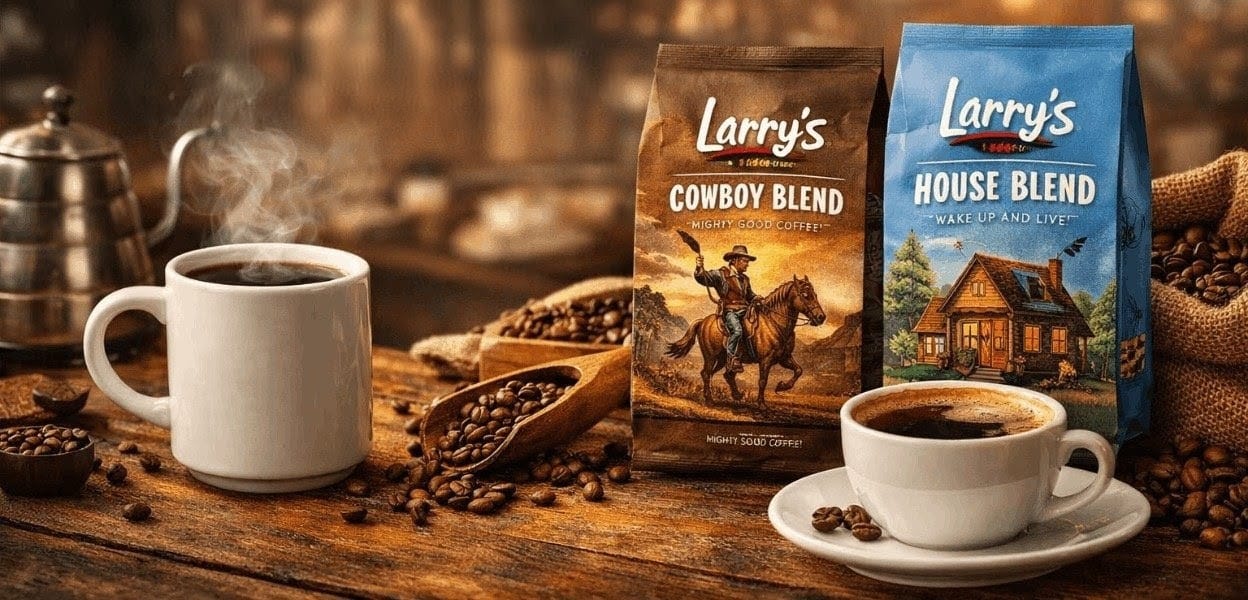
The Coffee That Finally Felt Right
After trying multiple coffee brands, I finally found one that truly stood out. Larry’s Coffee impressed me with its smooth taste, rich aroma, and satisfying first sip. From the first cup, it felt like the kind of coffee I had been looking for all along.

Nordic Peace Review: Stylish Scandinavian Living
Discover whether Nordic Peace is worth it in this detailed review. Learn about its design, product quality, benefits, and how it can upgrade your home and lifestyle