When Your Period Wrecks Your Skin, Sleep, and Sanity
Periods are more than cramps. This is your full-body guide to care, comfort, and not losing it mid-cycle.
Your cycle isn’t just a few inconvenient days every month. It’s a complex hormonal symphony that affects everything, from your skin to your appetite to how well you sleep. But most people only talk about the obvious: cramps, pads, and painkillers. What often gets ignored is how deeply your cyclic period influences your emotional and mental health, and how little support we’re taught to give ourselves during it.
As estrogen and progesterone rise and fall, your body’s systems shift dramatically. You might feel like your emotions are swinging between extremes. You’re not making it up. That exhaustion? The mood swings? The sudden desire to cry during a commercial? These are real PMS symptoms, and they’re tied to chemical changes happening internally, ones you didn’t choose and can’t just "mind-over-matter" your way out of.
And if you’re dealing with irregular periods, the unpredictability of when all this hits can make the emotional rollercoaster feel even more intense. Not knowing when it’s coming can leave you feeling ungrounded, anxious, and constantly on alert.
Skin Changes, Bloating, and Energy Dips Explained
Let’s talk about that moment you wake up, glance in the mirror, and see three new breakouts before you’ve had coffee. That’s not bad skincare, it’s hormones. Increased progesterone and oil production often trigger breakouts just before your period starts. Your skin may also feel dull, dry, or overly sensitive during this time.
Then there’s the bloating. Estrogen can cause water retention, and as progesterone increases, digestion slows down. That means puffiness, digestive issues, and a general sense that your body just doesn’t feel like yours.
And the energy crash? Progesterone doesn’t just make you sleep, it also lowers your tolerance for stress. It’s no wonder that pms and fatigue go hand-in-hand. Add in disrupted sleep, which is incredibly common during this phase, and the exhaustion feels less like tiredness and more like burnout.
All of this is happening while you’re still expected to show up to work, socialize, and function as though your body isn’t staging a full-on hormonal coup.
Supportive Rituals, Food, and Movement That Actually Help
This isn’t about doing more but doing what works with your body, not against it. Movement doesn’t have to mean pushing through a workout you hate. Gentle walks, restorative yoga, or even stretching in bed can help reduce period cramps and stimulate circulation. When you move intuitively, your body responds in kind.
Food becomes medicine when you’re not using it as a punishment or reward. Magnesium-rich foods like dark leafy greens and almonds can help with cramping. Iron-rich options like lentils or red meat support energy levels, especially if your flow is heavy. And don’t underestimate the power of hydration, water helps minimize bloating and fatigue more than most realize.
When it comes to skincare, less is more. Avoid harsh exfoliants during this time, and instead focus on calming, hydrating ingredients. Your skin barrier is more vulnerable than usual, treat it gently.
As for rest, give yourself permission to take it. That might mean saying no to plans or getting into bed at 9pm. Sleep is not a luxury during your cyclic period, it’s a non-negotiable form of care.
PMS Myths That Make Things Worse
Let’s debunk a few things. First, PMS symptoms are not overreactions. They are legitimate biological responses, and dismissing them doesn’t make them disappear, it just makes you feel isolated.
Second, no, your body isn’t “broken” because your period isn’t like clockwork. How long do periods last varies from person to person, and cycles that shift slightly aren’t always a problem. What’s important is paying attention to changes over time and what your body is trying to communicate.
And no, pain isn’t something you just have to “power through.” If your cramps are so bad that they interrupt your daily life, that’s not normal—and it’s okay to seek support. There are treatments for PMS that range from nutritional interventions to therapy to medical support. You don’t have to earn your right to feel better.
Perhaps the most harmful myth is that you’re supposed to be the same person every day of the month. You’re not. Your cycle affects your energy, your mood, and your cognitive function. Accepting that doesn’t make you weak, it makes you wise.
How to Advocate for Your Needs Internally and Externally
The hardest part about caring for yourself during your period is often the guilt. Society has trained us to perform through pain, to feel shame about needing rest, and to minimize discomfort so no one else has to be inconvenienced by it. But real self-care is advocacy.
That might look like asking your boss for flexibility around high-symptom days. It might mean talking openly with friends or partners about needing more rest or less stimulation. It could even be as internal as telling yourself, “I’m allowed to move slowly today,” and actually believing it.
Tracking your cycle helps here. When you start noticing patterns, when the fatigue hits, how your mood changes, when you feel your strongest, you can plan your life around your biology instead of fighting it. That kind of alignment reduces the emotional chaos and helps you reclaim control in a compassionate way.
It’s also where support systems come in. If someone minimizes your experience or makes you feel like you’re overreacting, that’s a red flag. You deserve people in your life who make space for your reality, not just when it’s convenient, but always.
Your cycle isn’t a monthly punishment. It’s a conversation. And learning to understand what it’s saying is one of the most empowering things you can do for your health. When your period wrecks your sleep, your skin, your peace, it’s not because you’re failing. It’s because your body is asking for help, not judgment. When you start responding with care instead of criticism, everything shifts. This is your permission to stop minimizing what you go through and start creating rituals, routines, and boundaries that actually support you.
Follow ChicFitWorld for more content that meets you where you are.
Related Blogs
Grüns Guide to Superfood Gummies and Daily Nutrition
Discover Grüns superfood gummies for adults and kids, featuring vitamins, minerals, fruits, vegetables, and other plant-based ingredients. Compare flavors, sugar options, daily packs, and subscriptions before choosing a formula.
NuBest Supplements Review: A Complete Guide to Products for Kids and Teens
Discover NuBest supplements for kids and teens, including gummies, chewable vitamins, capsules, and protein powders. Explore product features, compare options, and learn how to find the best NuBest deals.
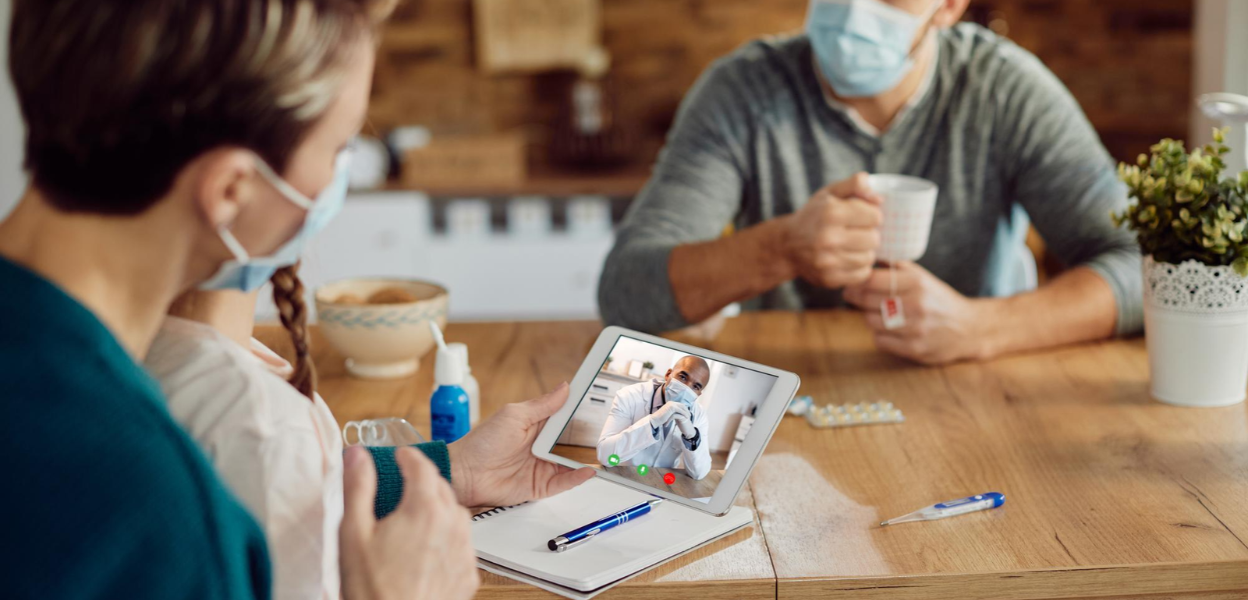
TMates Review: A Guide to Online Healthcare and Wellness Treatments
TMates makes exploring healthcare and wellness treatments easier with online consultations and home delivery. From weight management and hair growth to skincare and anti-aging solutions, discover its treatment options, understand the process, and find out what to consider before choosing a personalized healthcare plan.