What Happens When You Wash Clothes the Wrong Way and What to Do Instead
A good piece won’t survive bad laundry habits and most people don’t even realize what they’re doing wrong.
You can spend time finding the right piece, you can love how it fits, and you can still lose it to a laundry cycle. Most clothes don’t wear out from use. They wear out from the wash.
Bad laundry habits ruin fabric faster than daily wear. Whether it’s high heat, the wrong detergent, or skipping the label, most people don’t realize the damage happens long before the clothes hit your closet floor. Learning how to do laundry properly doesn’t take much effort, but it saves the clothes you already spent time and money finding.
The Biggest Mistakes People Make When They Wash Clothes
The most common issue is using the wrong water temperature. Hot water feels like it gets the job done, but it often breaks down fabric fibers, fades dyes, and sets in stains. Cold water helps preserve shape, color, and stretch, especially for delicate or dark pieces. Washing clothes in cooler water also helps prevent shrinkage in cotton and linen.
Dryers are next in line. High heat weakens elastic, shrinks cotton, and causes synthetic fabrics to melt or distort. Over-drying leaves your clothes brittle, not fresh. Most items labeled as dryer-safe still last longer when they’re air-dried or tumble dried on low. Using dryer balls instead of dryer sheets can also prevent static and reduce drying time while protecting fabric texture.
Detergent matters too. Strong chemical formulas promise deeper cleaning but often strip fabrics of color and softness. Using too much detergent leaves a residue that builds up over time and traps odor instead of removing it. Stick with measured amounts and always rinse thoroughly. Avoid detergents with optical brighteners or heavy fragrances that can cause buildup on washed clothes.
Why Synthetics Pill and Cotton Fades Fast
Synthetics tend to pill because their fibers are short and prone to friction. Washing them with heavy items or using aggressive spin cycles increases the damage. Using a laundry bag and turning clothes inside out helps reduce surface abrasion. Shorter wash cycles and gentler spins help preserve synthetic blends.
Cotton, especially colored cotton, fades when washed in hot water or exposed to harsh detergents. Frequent high-heat drying also lifts color from the fabric. Learning how to wash colored clothes includes separating by tone, using cold water, and choosing dye-friendly products. Products labeled as color-safe or formulated for darks can help maintain richness.
Hard water plays a role too. Minerals in the water can interact with detergent and dye, dulling bright colors and weakening fabric over time. A water softener or vinegar rinse can help neutralize buildup and protect the integrity of clean clothes.
When Hand Washing Is Better Than the Machine
Some fabrics respond best to the gentleness of hand washing. Silk, cashmere, lace, and most delicate knits fall into this category. Machines, even on delicate settings, pull and twist these materials in ways that wear them out fast.
Fill a clean sink or tub with cold or lukewarm water. Add a mild detergent meant for delicates, then press the fabric gently without twisting. Rinse, press out excess water with a towel, and lay flat to dry. These extra minutes save delicate pieces from early damage.
Wool is another fabric that benefits from hand care. While labeled washable, agitation and high temperatures can felt the fibers, changing the texture permanently. Always check the laundry instructions on wool garments before tossing them into a machine.
What Clothing Labels Don’t Say But Should
Laundry instructions give you the basics, but they leave out what happens over time. A label might say machine wash cold and tumble dry low, but it won’t mention how often you should do it, or how to keep the garment from dulling or shrinking after repeated cycles.
Use the label as a guide, not a guarantee. Always adjust based on the quality of the fabric and the way the piece reacts to wear. When in doubt, wash clothes less often, not more. A quick steam or air out between wears can refresh an item without the wear and tear of full washing. Some brands offer QR code care tags with extended laundry instructions online.
Fabric blends may behave differently than expected. A shirt made with 60% cotton and 40% polyester won’t respond the same way to heat or spin as one that’s 100% cotton. Labels often generalize, so check fabric content first before relying solely on wash symbols.
How Washing Affects Fit, Feel, and Shape
Every time you wash clothes, the fabric goes through heat, movement, and moisture changes. That shifts the fiber structure. Stretchy materials may lose elasticity. Natural fabrics like linen or cotton may shrink or warp if handled roughly.
The wrong method shortens the life of your clothes and ruins how they fit. T-shirts become boxy, jeans lose their recovery, and dresses hang unevenly. Even well-made clothes lose form when washed wrong.
To protect shape, fasten buttons and zippers before washing. Turn pieces inside out to shield the surface. Wash heavy items separately from lightweight ones to avoid fabric pulling. Mesh laundry bags can help maintain the shape of bras, knits, and lace.
Even items like jeans and jackets should be laundered with care. Spot clean or air dry between full washes to retain structure. Oversized or weighted items like coats and sweaters benefit from professional cleaning or specialized machine cycles.
Post-Wash Storage That Makes a Difference
How you store washed clothes matters just as much as how you clean them. Don’t leave damp clothes in a pile. That leads to odor, mildew, and permanent wrinkling. Fold items when they’re fully dry and store them in cool, breathable spaces.
Knitwear, heavy sweaters, and delicate tops should be folded to avoid hanger stretch. Hangers work best for structured pieces like shirts, blazers, or coats — but use wide or padded styles to avoid shoulder marks.
Fabric sprays can refresh items between washes, while cedar blocks or lavender sachets help with scent and moth protection. Keeping clean clothes fresh extends the time between washes, which protects them further.
Drawer liners or breathable garment bags also protect washed clothes from dust and humidity, especially in seasonal storage. Use acid-free tissue when storing silk, wool, or embellished items to prevent fiber breakdown.
Clothes don’t need luxury labels to deserve good care. Every item you chose, paid for, and wear often has value. Learning how to wash and store them with attention extends their life. It keeps colors rich, fits consistent, and fabrics smooth. Build a laundry routine that supports the condition of your wardrobe. Sort with intention. Use settings that match your items. Pay attention to the signs that a garment isn’t reacting well, color loss, shape distortion, texture changes.
A good wardrobe isn’t only built in stores. It’s built in laundry rooms too. Learning how to do laundry right protects your investment and helps your pieces keep working for you.
Follow ChicFitWorld for more on clothing that stays fresh, fits right, and lasts longer.
Related Blogs
Never Lose Track Again with Pebblebee Clip 5
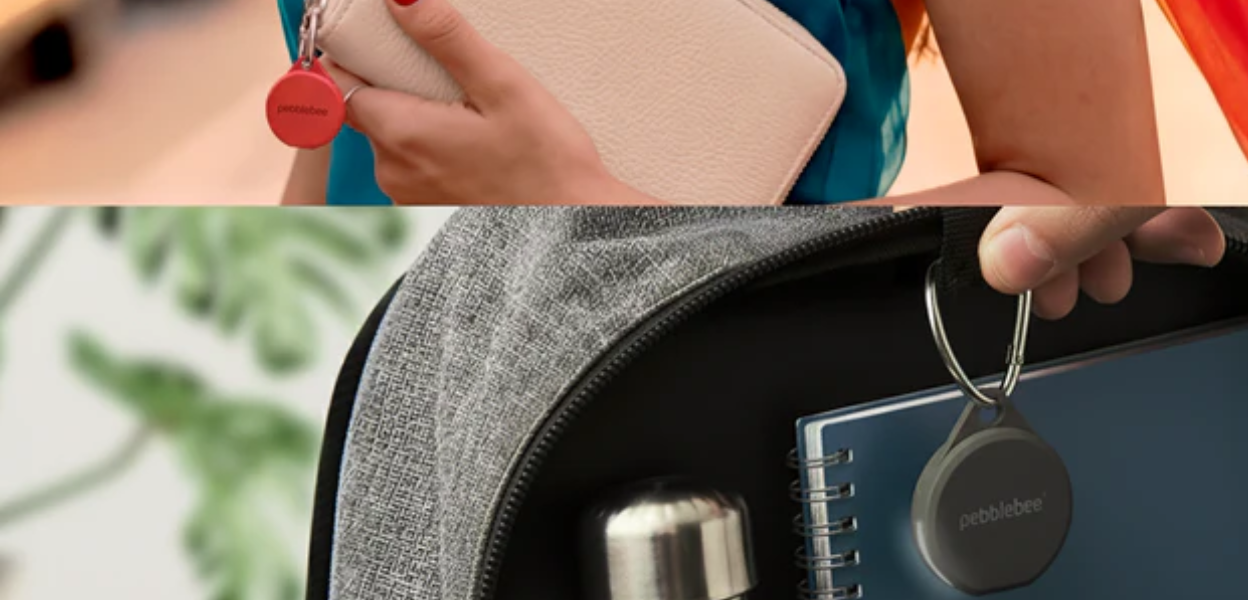
The Pebblebee Clip 5 is made to solve the problem of misplacing your daily essentials. This device gives you an extra layer of personal safety. Small, powerful, and easy to use, this Bluetooth tracker helps you stay organized and feel more secure wherever you go.
What Causes Bunions and How Orthopedic Shoes Can Relieve Discomfort
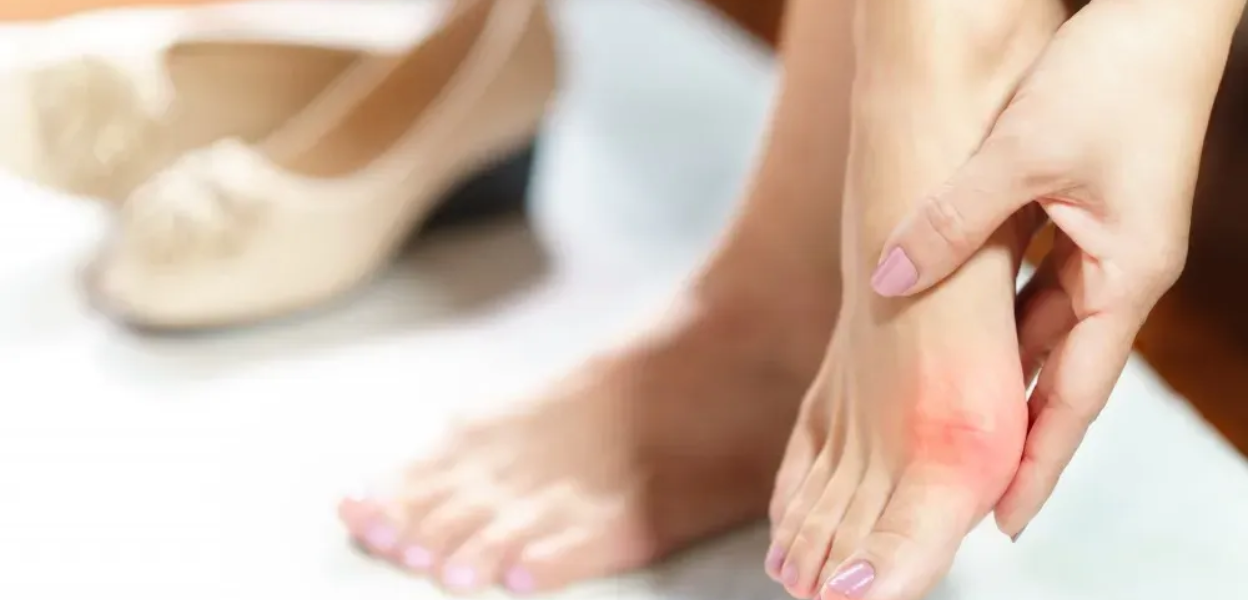
Bunions, also known as Hallux Valgus, can turn simple daily activities into painful tasks. What may start as a small bump near the big toe can slowly lead to discomfort, swelling, and even joint pain. Understanding this condition and choosing the right supportive shoes can make a real difference in managing pain and staying active.

How to Choose the Right Gaming Accessories Without Wasting Money
Buying gaming accessories is not a game. You need to pay heed from countless options as picking the wrong one can ruin your gaming experience. Here’s a guide to help you choose accessories that truly enhance your playtime.