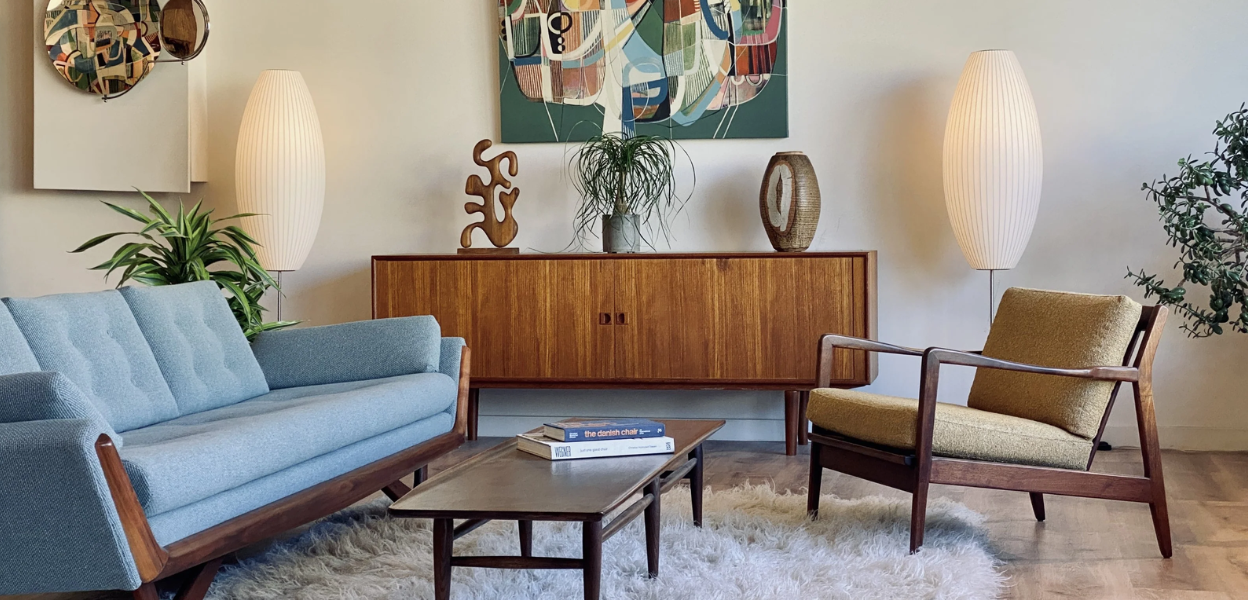
Why Vintage Furniture Is Making a Strong Comeback in Modern Homes
This post dives into why vintage furniture with its handcrafted quality, durable materials, and individuality is a smart, sustainable, and functional choice for contemporary homes.
More people are turning away from mass-produced, disposable furniture and rediscover timeless vintage pieces built with intent and purpose. While trends come and go, vintage furniture holds its ground, offering unmatched character, quality, and smart design features that serve modern needs better than expected.
The Craftsmanship That Built to Last
Furniture used to be made with care. Every piece reflected skill and time. Before factories took over, furniture makers selected solid wood and used precise joinery like dovetail or mortise and tenon. These techniques ensured strength and stability without screws or glue. That’s why so many vintage pieces are still intact decades later.
Materials matter. Real mahogany, oak, and walnut resist wear and tear. These woods age beautifully. Their grain deepens and finishes stay rich. Newer furniture often uses veneer or MDF. That’s cheaper, but it warps and crumbles. A vintage cabinet can support weight, survive moves, and still look elegant.
This level of craftsmanship is rare now. When a piece was made by hand, it wasn’t just a product. It was meant to serve families for generations. That legacy of durability is built into every corner and edge.
Function Hidden in Plain Sight
Old designs were thoughtful. They weren’t just for display. A mid-century desk often came with sliding compartments, pencil drawers, and pull-out work surfaces. A 1950s kitchen cabinet could hide a full spice rack, breadbox, or cutting board.
Vintage home setups supported real life. You had fewer things, but everything had a place. And those places made sense. The designs were intuitive.
Retro home furnishings included practical details that today’s trends overlook. Consider the fridge. Some older models had rotating shelves that made every item easy to reach. Now you dig around in deep drawers.
Storage beds from decades ago came with proper drawers, not shallow fabric bins. Dining tables expanded in clean steps. Sofas had solid frames and armrest compartments.
Today, people are noticing that these older ideas worked better. Vintage wasn’t clunky. It was clever. Built-in coat racks, ironing boards, and rolling carts were common in homes for a reason, they made everyday life easier.
Timeless Design That Anchors a Room
Vintage furniture makes a room feel grounded. Tapered legs, brass handles, warm woods, these elements don’t follow fast fashion. They hold weight.
That’s because older pieces were designed with proportion in mind. They weren’t oversized or underbuilt. A Danish chair fits your body and your space. A French provincial armoire brings texture without noise.
Designers today mix these pieces with modern finishes for contrast and balance. A vintage sideboard under a flat-screen TV. A 1930s mirror above a sleek basin. These combinations tell stories without trying too hard. Retro pieces give homes identity. You won’t find the same set in your neighbor’s house. That uniqueness makes a big difference in small apartments and large homes alike.
A Smarter Way to Shop Sustainably
Green furniture isn’t just what’s made with bamboo. It’s also what already exists. Buying vintage means you aren’t adding more pressure to forests, factories, or shipping networks.
A restored furniture piece saves energy. It doesn’t need a production line or packaging run. No paint fumes. No chemical sealants. A single refinished table can replace four fast-disposed ones. For eco-conscious buyers, vintage is a quiet solution. It uses what’s already out there. It keeps landfills lighter. And it supports a culture of repair, not replacement.
Even better, many vintage items outlast new ones. So you shop less and waste less. Sustainable living isn’t only about what you eat or drive. It’s also how you furnish your space. Every vintage purchase reduces the demand for short-lifecycle goods. And that creates real impact over time.
Emotion You Can’t Reproduce
Old furniture holds memories. A dresser might have been a wedding gift. A rocking chair could have soothed three generations. These objects carry stories in their scratches, in their worn handles, in their sturdy frames.
That’s the charm. You’re not just buying a piece. You’re continuing a history. Vintage furniture connects homes and families in quiet ways. And when you place that item in your space, it becomes part of your story too.
New furniture tries to copy this feeling with distressing or faux finishes. But you can’t fake age. You can’t fake use. And most people can tell the difference. Even the smell, the scent of aged wood and well-worn leather adds depth and memory to a room. You notice it. You remember it.
Real Value in the Vintage Market
Searches for vintage furniture, antique furniture, and old furniture for sale have increased sharply. That’s not a coincidence. People want better alternatives.
Google Trends shows a growing interest in the term "vintage home" across the U.S., especially among homeowners aged 28 to 45. This group wants unique interiors, not copies of online catalogs. And they’re spending more to get it.
Online platforms, estate sales, and niche shops make it easier to find real pieces now. Buyers know what to look for and they’re looking first to vintage, not last.
Even design studios now scout retro pieces for client spaces. A walnut sideboard with original handles. A camelback sofa in mint condition. These aren’t backups. They’re headliners. Quality costs less when it’s secondhand. You pay for the product, not the branding. And resale value is higher too. Vintage furniture often retains or grows in worth, especially if it’s rare or well-preserved.
A Personal Choice That Lasts
No one needs a catalog to live well. The best homes feel personal. They’re filled with stories, pieces with weight, items that last. That’s why vintage furniture fits so well. It meets modern needs without compromising soul or quality. You want a dresser that holds more than clothes. A table that sparks conversation. A bookshelf that brings out your style. Old furniture offers all that.
Vintage doesn’t chase trends. It holds its place. Whether your space is small, minimal, colorful, or classic, there’s a piece from the past that fits like it was meant to be there.
Restored furniture bridges two worlds, the charm of vintage with the reliability of new. Whether you’re searching for retro home furnishings or investing in antique furniture with resale value, you’re choosing longevity. And that’s always in style.
Explore more furniture insights, ideas, and functional finds by following ChicFitWorld.
Related Blogs

Nintendo Switch Case 2 Review for Players Who Hate Bulky Cases
Latercase keeps Switch 2 protection unusually slim at 0.6 mm. This review looks at where that approach works and where added protection still makes sense.

3 Best Coldest Tumblers to Try in 2026
Looking for a tumbler that keeps your drinks cold while fitting easily into your everyday routine? Here are three of the coldest 20 oz Tumbler v2 designs worth considering.

7 Reasons Pet Owners Need An Air Purifier At Home
Pets bring plenty of joy to a home, but they can also leave behind odors, dander, and other airborne particles. If you want your space to feel fresher, an air purifier can be a simple addition to your everyday routine.