The Rules and Myths of Using Your Phone on a Plane
Do flight rules really ban phones? What airplane mode actually does, explained clearly.
Somewhere between “Please switch your phones off” and “Wi-Fi available at 30,000 feet,” air travel turned into a tech paradox. One moment, a flight attendant is reminding everyone to enable airplane mode. The next, someone’s FaceTiming their family mid-flight like it’s a video call from the kitchen. So, can you use your phone on a plane, or is it just a matter of whether you get caught?
The truth is, a lot has changed. What was once banned outright is now being phased into something much more flexible but not without confusion. There are still safety concerns, technical limitations, and airline policies that vary more than you might expect. Here’s what you can actually do with your phone while flying, what the warnings mean, and which myths deserve to be grounded.
What ‘Airplane Mode’ Really Means
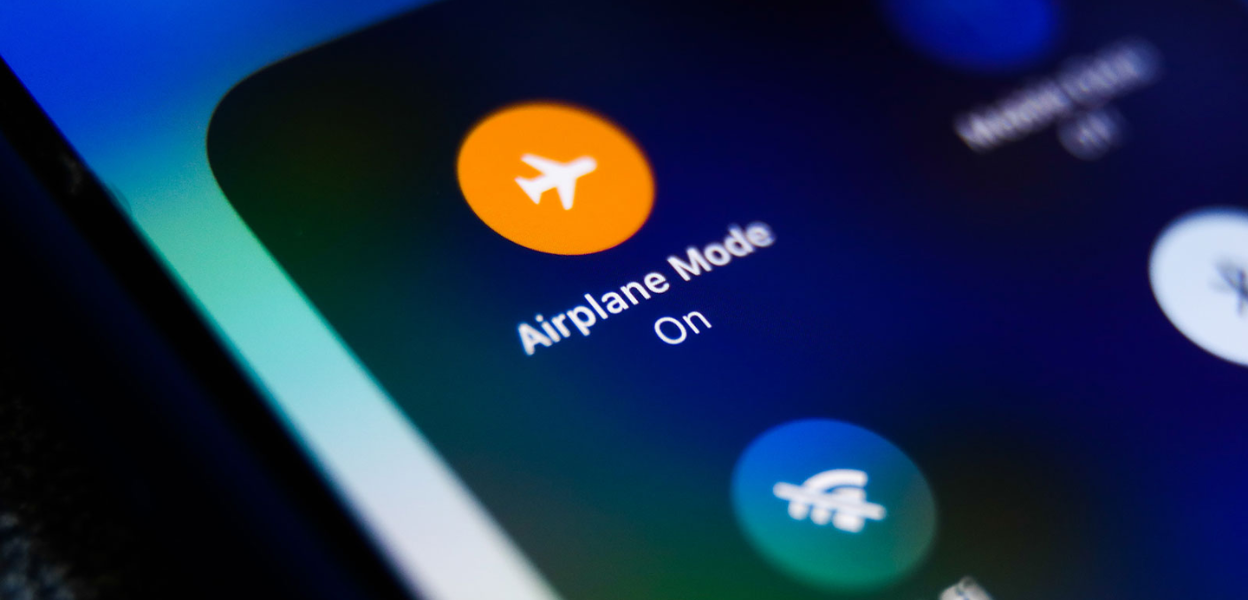
Flight mode on mobile phone isn’t just a fun setting that silences calls. It disables the phone’s ability to send and receive cellular signals. That includes mobile data, SMS messages, and regular phone calls. Essentially, airplane mode tells your phone to stop trying to connect to ground-based towers.
The reason behind this restriction is about interference. While a single phone is unlikely to crash a plane, the cumulative effect of hundreds of devices pinging cell towers mid-flight could interfere with aircraft radio frequencies. The closer the plane is to takeoff or landing, when pilots rely heavily on communication and navigation, the more risk interference poses. That’s why using phone on a plane is strictly monitored during those times.
What airplane mode does allow is Wi-Fi and Bluetooth. Most airlines now offer in-flight internet, meaning you can message, browse, and stream to your heart’s content, as long as you stay off cellular. Bluetooth, too, can be used to connect wireless headphones or keyboards once the plane has reached cruising altitude.
Airline Policies on Phone Use Today
Not all flights are created equal. Some airlines embrace connectivity like it’s 2025. Others... not so much. Most major carriers now allow personal electronic devices to remain on throughout the flight as long as flight mode on mobile phone is switched on.
In fact, several airlines offer in-flight Wi-Fi that supports messaging apps like WhatsApp, iMessage, and even email. Some premium options allow full internet access, streaming services, and yes, even making phone calls on a plane, but only through VoIP (Voice over Internet Protocol), and even that comes with restrictions.
Airlines like Emirates, Qatar Airways, and Lufthansa have invested heavily in inflight connectivity, with packages that let passengers surf the web or stream videos from their own devices. On the flip side, some budget airlines still treat Wi-Fi as a luxury or limit access to just messaging.
Still, the official stance remains cautious. Most airlines prefer passengers avoid phone calls to keep the cabin environment quiet and prevent disturbances. After all, nobody wants to hear a loud personal conversation about a missed meeting or a clingy partner at 3am.
Myths About Phone Use and Flight Safety
There’s long been a myth that leaving your phone on during a flight could cause catastrophic interference with aircraft systems. While this makes for a dramatic storyline, it’s more legend than fact.
According to avionics engineers and aviation experts, the actual risk of a single device affecting a plane’s systems is extremely low. However, because aviation is one of the most tightly regulated industries in the world, even a low-level risk demands a high-level precaution. That’s why mobile phones on flights must stay in airplane mode.
Another persistent myth is that airplane mode exists purely for control or to encourage passengers to pay for Wi-Fi. While airlines do earn revenue from onboard internet, the primary reason for airplane mode is safety. It helps avoid signal interference, ensures compliance with international airspace regulations, and keeps communication systems uncluttered.
One surprising truth? The rules aren’t universal. While the FAA (Federal Aviation Administration) in the US allows electronic device use during flight, other countries have more conservative regulations. That means your phone habits might be legal on a Delta flight from New York but restricted on a domestic route within India.
How to Use Your Phone Wisely and Legally on Flights
Understanding the real rules about using your phone on a plane doesn’t just help you avoid those awkward looks from the flight crew. It also opens up smarter ways to stay connected, entertained, and efficient while travelling.
Here’s how to get the most out of your device:
Enable airplane mode before takeoff
This isn’t optional. Even if your phone still connects to mobile networks at high altitudes (some do), it’s not legal or safe to use those signals in the air.
Use Wi-Fi strategically
Most airlines charge for internet access, so download key apps, videos, and documents before flying. Messaging-only tiers are often free or cheap, while full browsing costs more.
Connect your headphones early
If you’re planning to watch or listen to anything during the flight, set up your Bluetooth connection while still on the ground. This avoids fussing mid-air and ensures your device is ready when you are.
Download offline tools
Whether it’s Spotify playlists, Google Translate, Google Maps, or flight itinerary apps, make sure your key info is available without internet. That way, even if Wi-Fi is spotty, you’re not stuck mid-sentence or mid-podcast.
Be courteous
Even when calls are technically allowed, they’re rarely appreciated. Use headphones, keep volume low, and don’t talk loudly on speaker even if you're just sending voice notes.
Regional Differences in Rules
Not every country allows the same level of inflight phone use. In some places, local laws or airline policies may restrict what you can do with mobile phones on flights.
For example:
-
In the EU, the European Union Aviation Safety Agency has relaxed rules around electronic device usage, but individual airlines may still impose limits.
-
In the US, the FAA permits phone use with airplane mode activated, and some allow texting or emailing once airborne.
-
In countries with stricter telecommunication laws, phone usage might be more limited even when airborne.
Always follow the crew’s instructions. They’re not just being strict for fun, failing to comply with onboard safety rules, including can you use your phone on a plane, can lead to fines or ejection from future flights.
So, can you use your phone on a plane? Absolutely but with a few caveats.One has to understand what airplane mode actually does, how inflight Wi-Fi works, and why certain rules exist in the first place. Gone are the days when flying meant disconnecting entirely. Today, mobile phones are essential travel tools even at cruising altitude.
For more smart travel guides and tech-friendly tips, follow Website.
Related Blogs

Grüns Guide to Superfood Gummies and Daily Nutrition
Discover Grüns superfood gummies for adults and kids, featuring vitamins, minerals, fruits, vegetables, and other plant-based ingredients. Compare flavors, sugar options, daily packs, and subscriptions before choosing a formula.

NuBest Supplements Review: A Complete Guide to Products for Kids and Teens
Discover NuBest supplements for kids and teens, including gummies, chewable vitamins, capsules, and protein powders. Explore product features, compare options, and learn how to find the best NuBest deals.

TMates Review: A Guide to Online Healthcare and Wellness Treatments
TMates makes exploring healthcare and wellness treatments easier with online consultations and home delivery. From weight management and hair growth to skincare and anti-aging solutions, discover its treatment options, understand the process, and find out what to consider before choosing a personalized healthcare plan.