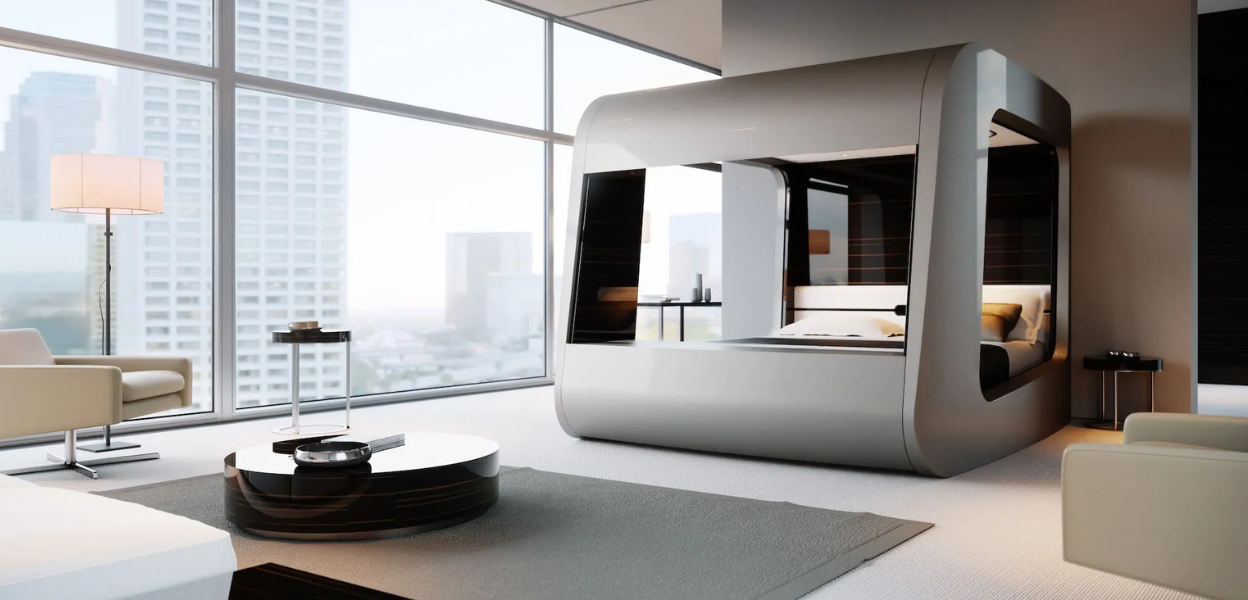
How Smart Bed Technology Is Helping People Sleep Better Than Ever
If you’ve ever dreamed of a bed that adjusts itself to your sleep cycle, that dream is here. Explore how smart beds are becoming a bedroom essential.
In a world that never truly powers down, sleep has become a rare luxury. The rise in stress, screen time, and irregular routines has triggered what experts call a global “sleep crisis.” People are tired mentally, physically, and emotionally. That’s why smart bed technology is quickly becoming one of the most sought-after solutions for better rest.
We’ve seen smartwatches, smart homes, and even smart refrigerators. Now, your mattress is getting an upgrade and it’s not just about softness or firmness anymore. We’re talking about beds that know when you’re tossing and turning, beds that adjust to your body temperature, and even beds that wake you up at the perfect point in your sleep cycle.
Welcome to the era of tech-smart beds, a blend of AI, connectivity, and comfort that might just change the way you rest forever.
What Exactly Is a Smart Bed?
Unlike traditional mattresses, a smart bed is embedded with sensors, responsive materials, and in many cases, artificial intelligence that helps tailor the sleep experience to your body and preferences. These beds are connected to your devices or apps, enabling real-time data tracking and adjustments for personal comfort.
Some smart beds use biometric sensors to monitor heart rate, breathing, and body movement. Others focus on delivering customized support and temperature regulation. A few even use built-in speakers or gentle vibrations to help you fall asleep or wake up more naturally. The goal? A sleep experience so personalized it feels like the bed knows you better than you know yourself.
What These Beds Can Actually Do
A lot of people hear “smart bed” and assume it’s just a high-tech gimmick. But these beds are engineered with serious functionality.
Temperature Control
Say goodbye to waking up sweaty or shivering. Smart bed technology can adjust temperature in real-time, either based on preset preferences or by tracking your body heat throughout the night.
Snore Detection and Response
Some models can detect snoring and subtly shift your position like raising the head of the bed without waking you up, reducing the chances of disrupted breathing.
Sleep Scoring
With built-in sleep tracking, many smart beds give you a “sleep score” based on how long and how deeply you slept, how often you moved, and other biometric factors.
Dual-Zone Comfort
If you share your bed, smart mattresses can cater to both people separately. You like it cool and soft; your partner likes it warm and firm? Done.
Adjustable Support
Some beds automatically adjust firmness throughout the night based on your sleep position or spine alignment. This is a game-changer for people dealing with back pain or stiffness.
Which Brands Are Leading the Smart Bed Revolution?
Several mattress brands have jumped into the tech-forward sleep space. The most well-known names include:
- Sleep Number’s 360 Smart Beds: These are the gold standard for personalized comfort and sleep tracking. Their responsive air technology allows users to adjust firmness on each side, and the beds automatically adapt to body movement.
- Eight Sleep: Known for its Pod mattress, Eight Sleep focuses heavily on temperature regulation and biometric data tracking, ideal for athletic recovery or chronic sleep issues.
- Tempur-Pedic Smart Beds: While originally known for their memory foam innovation, Tempur-Pedic now integrates smart sensors and features for users with back pain or discomfort.
- ReST Bed: Short for “Responsive Surface Technology,” ReST uses medical-grade sensors and adjusts in five different body zones, shoulders, hips, and beyond.
Shopping for a mattress online? Brands like these now offer risk-free trials and white-glove delivery, making it easier than ever to upgrade without the showroom experience.
Integrating With Smart Homes and Sleep Ecosystems
A smart bed doesn’t live in isolation. Many models are designed to work with existing smart home setups. That means your mattress can talk to your thermostat, blackout blinds, or even your sleep sounds playlist.
Want to wake up gently with the blinds rising and soft lighting turning on? Set a routine. Prefer your mattress to cool down as your room gets warmer? Just sync it with your smart home hub. Apps also allow you to monitor your sleep trends, adjust comfort settings remotely, and even share sleep data with your healthcare provider or wellness coach.
What Real Users Are Saying
Early adopters of smart beds report noticeable improvements in their sleep quality, especially those dealing with health conditions, hectic schedules, or stress.
“I used to wake up exhausted, but now my smart bed cools down right before I fall asleep and gently warms up before my alarm goes off,” one user shared.
Another couple found the dual-zone function life-changing: “We’re not arguing about mattress firmness anymore. It literally saved our marriage!”
Even wellness influencers have begun recommending smart beds as part of broader lifestyle upgrades, from clean eating to digital detox routines.
How to Choose the Right Smart Bed for You
Start by identifying your top sleep needs. If back pain is your biggest issue, look for adjustable firmness or Tempur-Pedic memory foam. Want to improve recovery after workouts? Opt for a mattress with temperature control like Eight Sleep.
Don't just rely on gimmicky features, focus on what will truly enhance your personal comfort. Check reviews, compare warranties, and take advantage of trial periods to test the bed in your actual sleep environment.
Also, consider whether you’ll use integration features. If your home is already connected through Alexa or Google Assistant, choose a bed that syncs easily. If not, a standalone smart mattress might still offer most of what you need.
The Future of Smart Sleep Tech
Looking ahead, we can expect even more personalization. Future smart beds may use machine learning to predict your sleep needs based on stress levels, menstrual cycles, or seasonal changes.
New materials like graphene foam and bioadaptive fabrics are also in development, aiming to improve temperature regulation and responsiveness. Eventually, your bed might even sync with wearable tech to form a comprehensive picture of your wellness. And as AI becomes more sophisticated, the idea of a bed that tracks your mood, suggests wind-down routines, or even helps manage insomnia doesn’t seem too far off.
Sleep is the foundation of everything, your mood, your focus, your health. And with smart bed technology, improving it no longer requires effort. The bed literally does the work for you. For anyone feeling drained, overwhelmed, or just in need of better rest, this tech isn't just convenient, it’s revolutionary.
Follow ChicFitWorld for more smart home trends, tech lifestyle upgrades, and insider reviews.
Related Blogs

Simplifying Personal Finance and Budget Management
Read our GetTrim review to explore its subscription tracking, spending insights, and budgeting tools. Learn how this user-friendly platform helps you take control of your personal finances.

The Loaded Tea Shop Review: A Refreshing Choice for Clean Energy and Great Taste
Looking for a healthier alternative to sugary energy drinks? Explore our detailed The Loaded Tea Shop review to discover its best tea mixes, clean ingredients, delicious flavors, and why so many customers choose it for everyday energy.

Top Extract Labs CBD Products Worth Trying
Discover the best Extract Labs CBD products in this detailed guide. Learn about the brand's quality standards, top product categories, and why many customers trust its hemp-derived wellness collection.