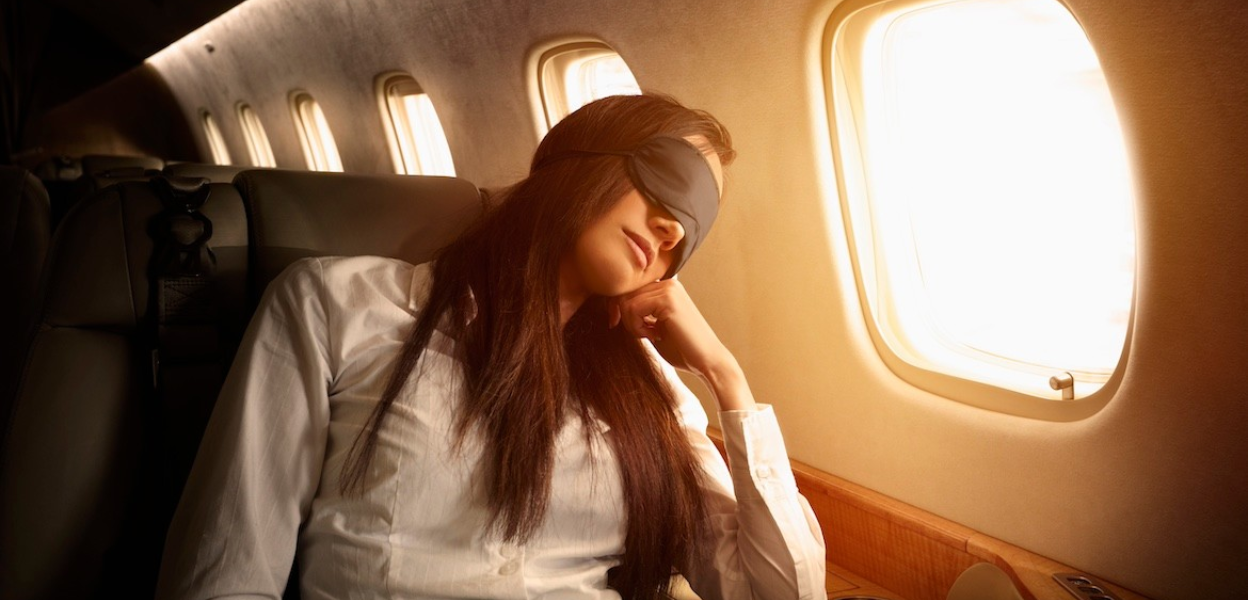
How to Sleep Better on a Plane Without Sleeping Pills
Nodding off mid-air isn’t easy, but it’s possible. These no-pill sleep tricks actually work.
Sleeping on a plane is basically a performance art. There’s the stiff seat, the guy behind you kicking it, the baby crying two rows over, and the inexplicably cold cabin air hitting your ankles. For some, how to sleep on a plane feels less like a question and more like a myth. But the truth is, you can rest well in the air without reaching for a pill bottle.
This blog isn’t about quick fixes or miracle gadgets. It’s about real, practical strategies that actually work. Whether you're dealing with an overnight flight, jet lag, or just trying to squeeze in a nap before landing, these tips will help you fall asleep naturally and wake up with less regret.
Why Sleeping on Planes Is So Hard
Cabin pressure, seat design, and noise explained
Planes aren’t exactly designed for REM cycles. Between the cramped seats and the low humidity, even seasoned travellers struggle to rest. One reason sleeping on a plane feels so unnatural is because of the cabin environment itself. At 35,000 feet, cabin pressure is equivalent to standing on a 6,000–8,000-foot mountain. That means less oxygen for your brain and body, making it harder to fall into deep sleep.
Then there’s the issue of light and sound. Bright reading lamps, flickering screens, trolley noise, and engine hum all interfere with your body's melatonin production. Not to mention the rigid seat backs and the complete lack of neck support.
In short, if you’ve been wondering how to fall asleep on a plane, know that the deck is stacked against you. But that doesn’t mean you can’t outsmart it.
Natural Sleep Solutions That Work
First things first: ditch the idea that you need sleeping pills for flights. Relying on medication while flying can mess with your natural rhythms and leave you groggy post-landing. Instead, try building your own sleep toolkit:
Sleep masks that actually block light. Go for contoured masks that don’t press against your eyes and block out all cabin lighting. The darkness triggers melatonin and helps your brain wind down.
Neck pillows that support, not strangle. The best way to sleep in plane seats is with support that prevents your head from falling forward. U-shaped pillows are popular, but wrap-around designs often give better neck alignment.
Noise-cancelling headphones or earplugs. Cabin noise is a major culprit in keeping you awake. White noise apps or soothing playlists can drown out the chaos around you. Bonus points for nature sounds or guided meditations.
A cosy scarf or oversized hoodie. Lightweight and multifunctional, they act like blankets and help signal to your body that it's time to rest.
Avoid screens at least 30 minutes before trying to sleep, even if the in-flight movie is tempting. The blue light disrupts melatonin, and your brain stays alert long after you’ve paused the film.
Timing Your Sleep with Flight Schedules
If you want to know how to sleep on a flight, one of the most underrated tips is timing. Your body runs on a circadian rhythm, and the more you align it with your travel schedule, the easier it becomes to fall asleep mid-air.
Prep the night before. If your flight is overnight, aim to go to bed a little earlier in the days leading up. This helps ease your internal clock closer to your destination’s timezone.
Use sunlight to your advantage. Before your flight, expose yourself to natural light in the morning. This reinforces your wake-up time and makes it easier to rest during the flight.
Don’t force sleep if you’re flying during the day. Trying to nap when your body is alert usually ends in frustration. Use that time for relaxing instead of stressing over missed sleep.
Skip caffeine and alcohol. Yes, that welcome drink in business class is tempting, but alcohol disrupts sleep cycles and dehydrates you in-flight. The same goes for coffee, especially if it’s an early evening flight.
Natural melatonin supplements. If timed correctly, a small dose of melatonin can help cue sleep without the grogginess associated with pills. Just don’t use it too close to landing, or you’ll arrive feeling foggy.
Smart Seating Strategies
When it comes to tips for sleeping on a plane, seat selection plays a bigger role than most people think. It’s not just about legroom; your location can make or break your chance at shut-eye.
Window seats win. You can lean against the wall, control the shade, and avoid being bumped by the drinks trolley or your seatmate’s midnight bathroom run. For overnight flights, window seats are hands down the best way to sleep in plane cabins.
Avoid rows near the bathrooms or galley. These areas are high-traffic zones. People queue up, lights stay on longer, and noise levels spike.
Bulkhead seats come with pros and cons. You get extra legroom but often lose under-seat storage, meaning your sleep kit might be out of reach. Choose only if you’re good at prepping everything before takeoff.
Exit rows offer space but no recline. Don’t be fooled by the legroom; many exit row seats don’t recline, which makes sleep tougher than it looks.
For those who want a quieter cabin experience, seats toward the front (but not the first row) tend to be more peaceful. Avoid the back of the plane, where turbulence feels stronger and engine noise intensifies.
Movement and Hydration Help More Than You Think
Cabin air is dry, extremely so. It’s easy to get dehydrated, and dehydration can make you feel uncomfortable, restless, and irritable, all of which make sleeping on a plane harder.
Drink water before and during your flight, even if it means more bathroom trips. Being hydrated helps reduce fatigue and lowers your risk of jet lag.
Stretch and move periodically, especially on long-haul flights. Light movement boosts circulation, reduces swelling, and helps your body feel more relaxed when it’s time to sleep.
You can even do simple seated yoga moves or foot flexing while in your seat. It keeps blood flow steady and prevents stiffness that ruins any chance of sleep.
Managing Expectations and Mindset
One of the best-kept secrets of how to sleep on a flight is this: don’t expect it to feel like your bed at home. Instead of aiming for perfect sleep, focus on restfulness.
If you only manage light naps, that’s still better than nothing. Your body can benefit from quiet rest, even without full sleep cycles. Listening to calming music, closing your eyes, and breathing slowly can reduce stress and fatigue, even if you’re not fully out.
Figuring out how to sleep on a plane without sleeping pills consists of a strategy. From seat choice to smart packing, aligning your natural rhythm with the flight’s schedule can make all the difference. Even if you can’t replicate the comfort of your own bed, you can set yourself up for solid rest mid-air.
For more travel hacks, follow ChicFitWorld.
Related Blogs
Simplifying Personal Finance and Budget Management
Read our GetTrim review to explore its subscription tracking, spending insights, and budgeting tools. Learn how this user-friendly platform helps you take control of your personal finances.

The Loaded Tea Shop Review: A Refreshing Choice for Clean Energy and Great Taste
Looking for a healthier alternative to sugary energy drinks? Explore our detailed The Loaded Tea Shop review to discover its best tea mixes, clean ingredients, delicious flavors, and why so many customers choose it for everyday energy.

Top Extract Labs CBD Products Worth Trying
Discover the best Extract Labs CBD products in this detailed guide. Learn about the brand's quality standards, top product categories, and why many customers trust its hemp-derived wellness collection.