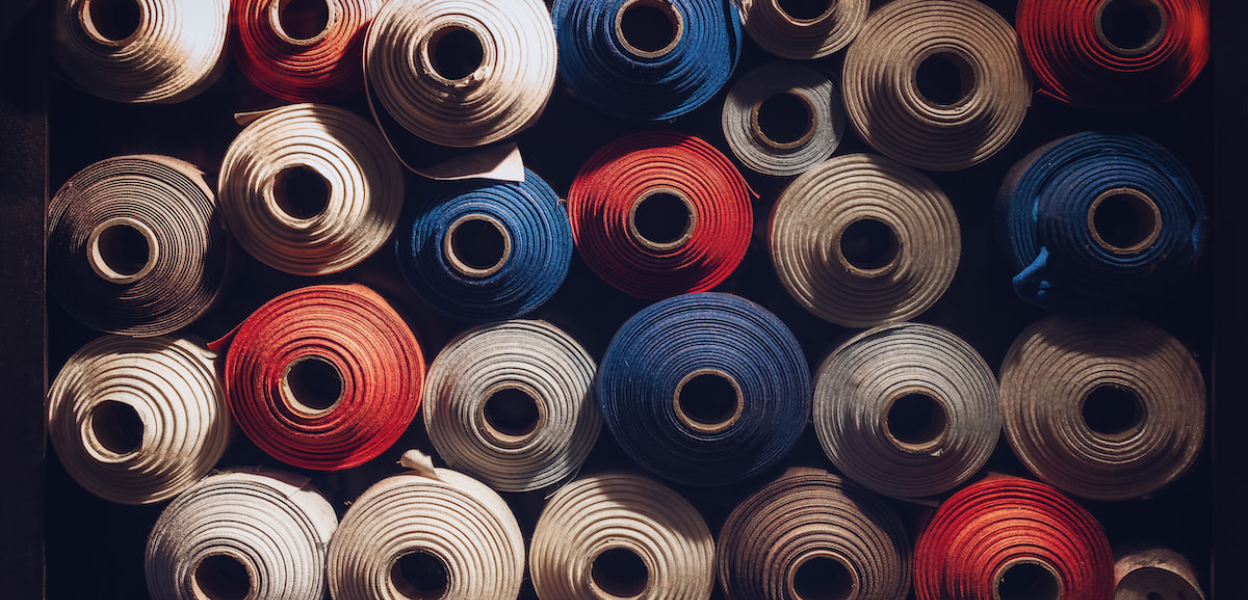
Why Fabric Quality Matters More Than the Label on the Tag
Fabric can make or break how a piece feels, fits, and lasts. Knowing the difference is everything.
There’s a moment when you slip into a piece of clothing and it just feels right. You don’t tug at seams. You don’t adjust hems. You don’t wonder if it’ll last past two washes. That moment rarely comes from a logo or a trend. It comes from the fabric. Good fabrics for clothes carry a kind of quiet confidence that no amount of branding can replicate. And once you understand why fabric matters this much, the way you shop, wear, and care for your wardrobe changes completely.
Why Fabric Is the Foundation of Every Good Garment
Clothes look good in photos far more often than they do in real life. Most trend-heavy pieces feel promising until they arrive on your doorstep. Then the truth reveals itself through stiffness, shine, or the telltale hint of plastic in the touch. Fabric holds the entire story of a garment. It influences drape, comfort, structure, and durability. Two shirts may share the same cut, yet feel nothing alike once they’re on the body. The difference rests in the material.
Cheap fabric tends to rely on low-cost fibers, minimal processing, and shortcuts in weaving or knitting. That leads to pilling, fading, stretching, and a finish that loses its charm fast. Fine fabrics rely on longer fibers, denser weaves, and better quality control. They feel smooth, hold their shape, and stay visually rich even after months of wear. Good fabrics for clothes create pieces that move with you instead of resisting your body.
How Premium Fabric Performs on the Body
The way fabric behaves reveals its quality. Premium material has a natural ability to balance softness with strength. It doesn’t sag after a day of movement. It doesn’t feel thin where it shouldn’t. It supports the shape of the garment so your outfit holds its form from morning to night.
Clothing materials made with thoughtful sourcing and processing tend to resist odor, maintain color, and keep their feel across multiple washes. Poor fabrics trap heat and sweat, lose elasticity, and crease in ways that never fully smooth out. When a piece has weight without heaviness and softness without fragility, you’re usually wearing higher-quality fibers.
Drape is another giveaway. Good drape means the material falls naturally without clinging or puffing out. This is why certain dresses feel graceful and others feel awkward. Fabric determines how a garment interacts with movement, light, and shape. You can spot this instantly in the mirror.
What Different Types of Fabric Bring to the Table
Understanding types of clothing material is one of the easiest ways to elevate your wardrobe. Natural fibers like organic cotton fabric, linen, wool, and silk have an inherent honesty to them. They breathe. They soften over time. They respond to temperature. Synthetic fibers can enhance durability or add stretch, but they lose value fast when they dominate a blend.
Cotton sits at the center of many wardrobes, yet not all cotton feels the same. Organic cotton fabric avoids harsh chemicals during production and often feels smoother because the fibers stay intact through gentler processing. Wool and cashmere offer warmth without weight. Linen gives a crisp, lived-in texture that softens with each wash. Silk reflects light in a way that no synthetic alternative truly captures.
Tencel, modal, and viscose belong to a newer category of sustainable fabrics derived from plant sources. These fibers create a silky feel, resist wrinkles better than many natural options, and drape beautifully. They stand out in dresses, tops, and relaxed trousers due to their fluid nature.
Synthetic options like polyester and nylon do have their place. They add strength, stretch, and quick-dry properties when blended well. But when they dominate a fabric, the garment often loses breathability, and the surface can feel flat or shiny. The key is balance. A small percentage of synthetic fiber in fine fabrics can improve structure without sacrificing comfort.
How Weight and Structure Reveal Fabric Quality
Fabric weight says more than most people realize. Lightweight doesn’t mean low quality. Some of the most luxurious textiles feel feather-light yet remain structured. The test lies in how the fabric responds to touch. If you scrunch it and the wrinkles smooth out with ease, the fibers have resilience. If creases stay sharp, the fabric may lose shape fast.
Heavy fabrics like denim, canvas, and twill should feel firm but never rigid. When woven well, they soften with wear without losing their backbone. That balance defines long-lasting wardrobe staples.
Texture also plays a role. Fine fabrics feel even across the surface. Cheap material often reveals its quality through roughness, shine, or inconsistent weave patterns. When you hold a garment up to the light and the weave looks uniform, that’s a strong indicator of durability.
Fabric Labels Carry More Information Than You Think
Shoppers fixate on the brand name and skip the most important part: the fabric tag. This tag reveals the entire makeup of a garment. When you see modal, viscose, or tencel, you’re looking at fibers known for softness and deeper color absorption. When the label lists organic cotton fabric, the material is likely smoother, sturdier, and more breathable.
Labels also reflect sustainability standards. Sustainable fabrics tend to use less water, fewer chemicals, and more ethical processing. That doesn’t just benefit the planet. It improves the way the fabric feels, behaves, and lasts.
How to Tell When Fabric Is High Quality
Quality reveals itself in small ways. Seams stay flat without puckering. Hems hold shape. The garment rests on the body without sagging or bunching. Stretch recovery becomes crucial in fitted pieces. If you pull a fabric and it springs back instantly, the fibers have integrity. When it stays distorted, the material won’t age well.
Color also exposes quality. Rich tones that stay vibrant through multiple washes signal dense, well-treated fibers. Cheap fabric fades fast, especially in deep hues. When a fabric absorbs dye evenly, the color appears clean and solid instead of patchy.
Choosing Fabrics That Age Well
Trend-based buys rarely last in style or condition. Investing in sustainable fabrics and fine textiles creates a wardrobe that evolves with you. Clothes made from good material soften in a flattering way. They stay true to form. They continue to feel special each time you wear them.
You also begin to understand which textures and finishes feel right. Some pieces gain character as they age. Others hold a crisp, structured presence from day one. Once you learn how fabric behaves, you can predict how the garment will look months later.
Good fabrics for clothes are a practical choice. You decide what deserves space in your closet based on quality instead of trend cycles. Your outfits start to look more polished because the materials support the cut and the fit. This approach saves you money. It saves you time. It saves you from the frustration of clothes that don’t hold up. And it makes each piece feel intentional. A garment made with care says more than any printed logo ever could.
Follow ChicFitWorld for more on clothing.
Related Blogs
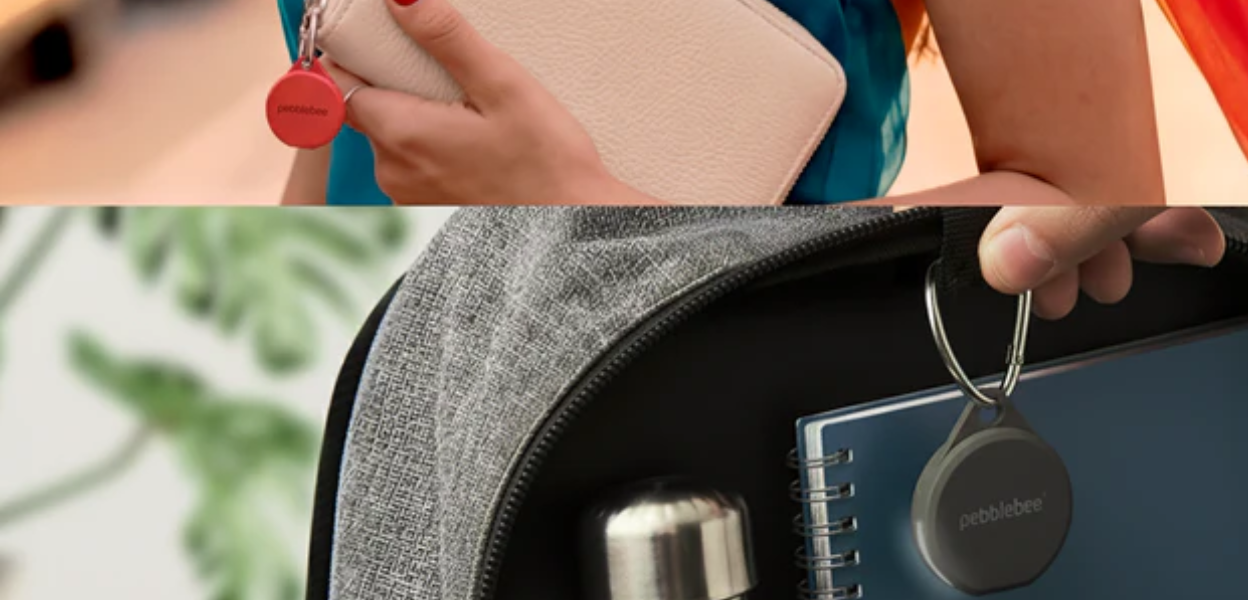
Never Lose Track Again with Pebblebee Clip 5
The Pebblebee Clip 5 is made to solve the problem of misplacing your daily essentials. This device gives you an extra layer of personal safety. Small, powerful, and easy to use, this Bluetooth tracker helps you stay organized and feel more secure wherever you go.
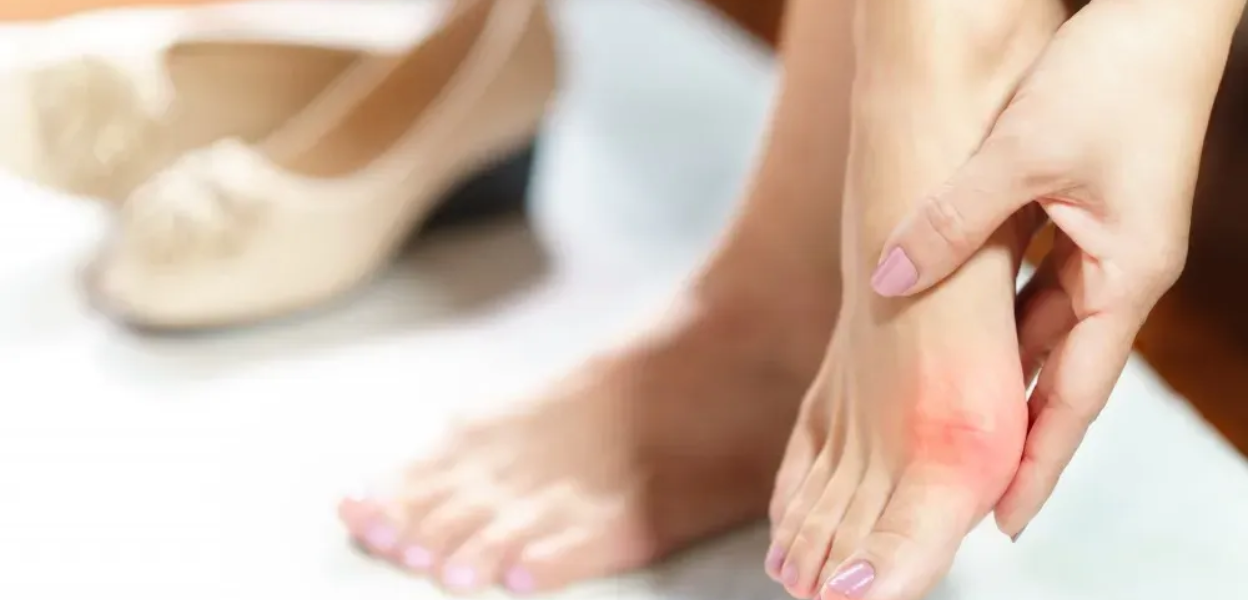
What Causes Bunions and How Orthopedic Shoes Can Relieve Discomfort
Bunions, also known as Hallux Valgus, can turn simple daily activities into painful tasks. What may start as a small bump near the big toe can slowly lead to discomfort, swelling, and even joint pain. Understanding this condition and choosing the right supportive shoes can make a real difference in managing pain and staying active.
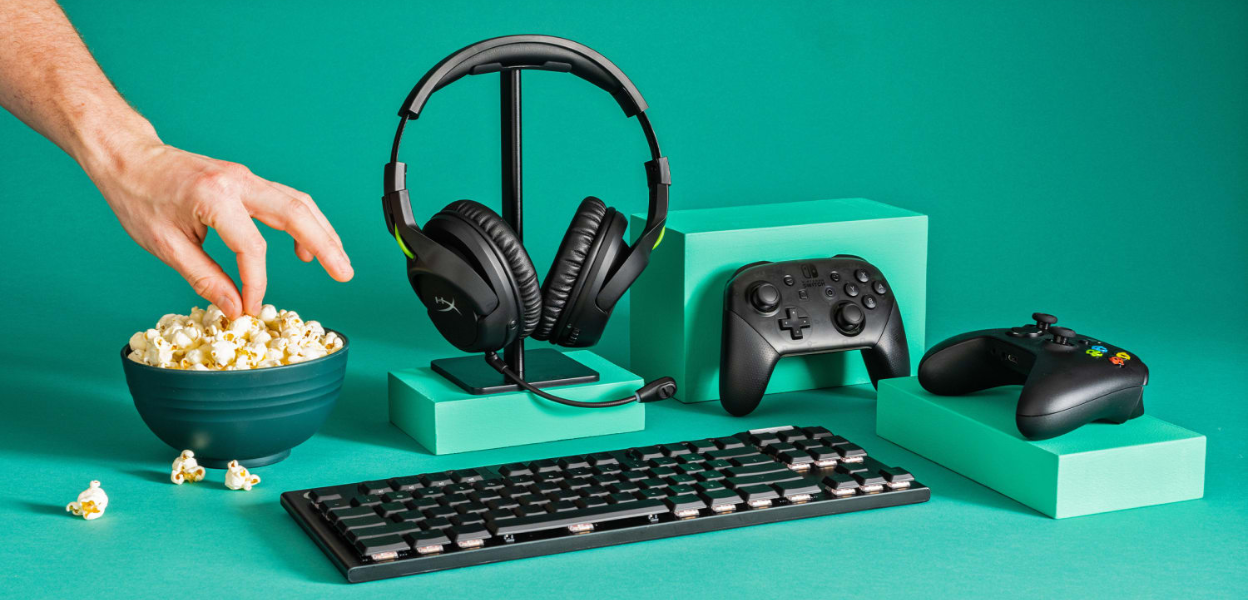
How to Choose the Right Gaming Accessories Without Wasting Money
Buying gaming accessories is not a game. You need to pay heed from countless options as picking the wrong one can ruin your gaming experience. Here’s a guide to help you choose accessories that truly enhance your playtime.