Next‑Gen Eko CORE 500 Digital Stethoscope Review
Explore how the Eko CORE 500 blends high-tech listening with real-world performance and whether the price delivers.
The stethoscope hasn’t changed much in over 200 years. But today’s clinical landscape isn’t quiet exam rooms and clean signals, instead it’s bustling ERs, remote patient visits, and instant diagnostics. That’s exactly where the Eko CORE 500™ Digital Stethoscope steps in, offering a hybrid of technology and tradition in one portable tool.
For anyone browsing ekohealth.com or eyeing ekohealth reviews, the specs might sound almost too good to be true. Built-in ECG, AI-powered detection, LCD screen, and Bluetooth streaming? Let’s walk through what this device really offers and where it might fall short so you can figure out if it’s worth the switch.
What Makes the CORE 500 Different
The Eko CORE 500 aims to replace your analog stethoscope entirely. It’s sleek, sturdy, and packed with features that go far beyond sound amplification. Users can toggle between audio filters optimized for cardiac, pulmonary, or full-body sounds. And thanks to TrueSound™ technology, you’re not just amplifying sound, you’re canceling noise. The result is a cleaner signal, which is especially critical in noisy environments like ambulance bays or pediatric units.
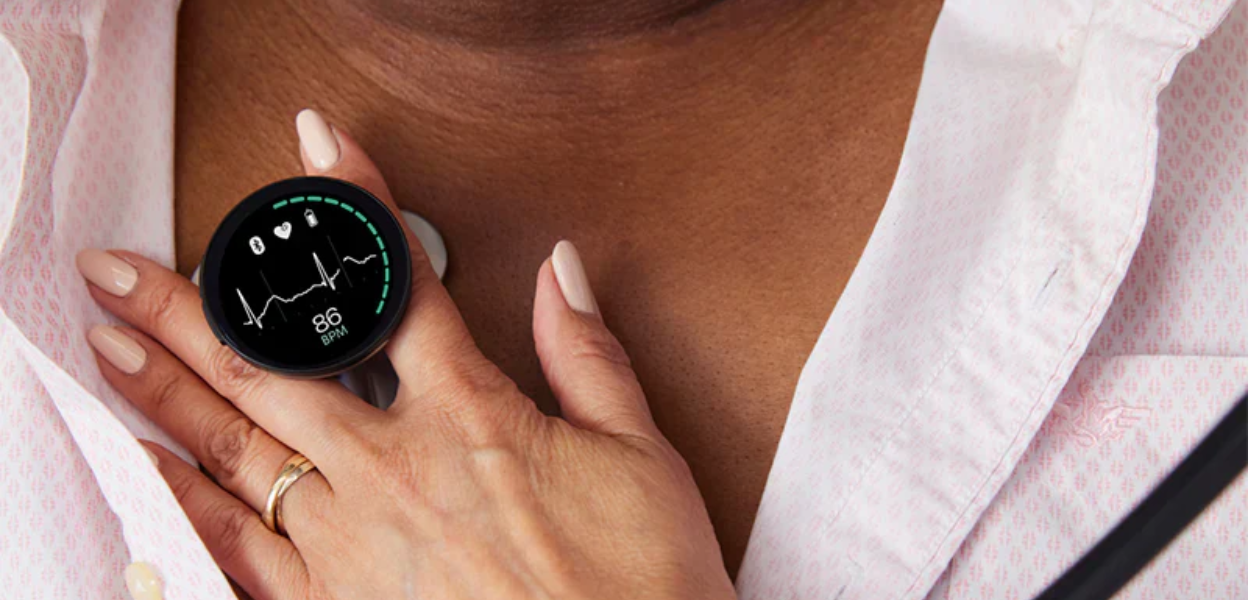
There’s also a 3-lead ECG, visual waveform display, and built-in AI that flags murmurs and signs of AFib. All of this data syncs directly with the Eko App, giving providers a chance to record, save, and share patient assessments securely. For those comparing the eko stethoscope to traditional models, this upgrade isn’t just incremental. It’s a reimagining.
Design, Durability, and Usability
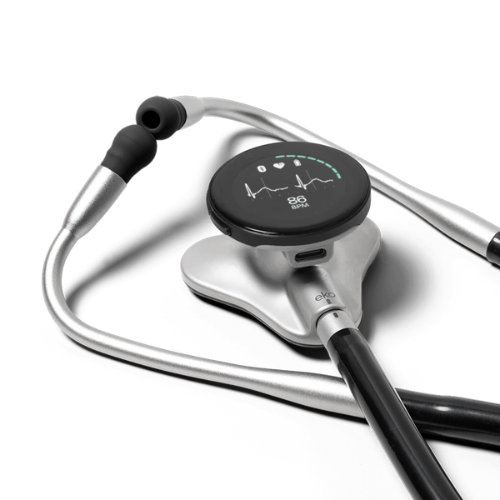
One of the most consistent positives in ekohealth reviews is the design of the CORE 500. The device looks and feels premium, with a color display integrated directly into the chestpiece. At 6.6 ounces, it’s heavier than standard stethoscopes but still manageable, even during long shifts.
The headset is made from anodized aluminum, while the diaphragm and ear tips are silicone, latex-free and safe for sensitive users. There's USB-C charging, and the battery lasts up to 60 hours per charge. That’s more than enough for a week’s worth of regular clinical use.
Splash resistance, a scratch-proof surface, and a 30-day trial offer added peace of mind. Ekohealth even sweetens the deal with optional engraving and accessories like chestpiece covers and colored ear tips to personalize the device further. While some may find the CORE 500’s added weight noticeable at first, the overall build quality and functionality tend to outweigh those concerns.
Using the Eko Stethoscope in Real Settings
How to use the eko stethoscope depends on what you need it for. For general auscultation, users can simply press the chestpiece to the patient and listen through the earbuds or via Bluetooth to external devices. You can toggle through three audio modes with one button: Cardio, Pulmonary, and Wide.
Visual feedback is displayed instantly. Want to capture the waveform of a heart murmur or lung crackle? Tap record. This ability to save and revisit exam data later, especially during rounds or consults, is one of the most practical upgrades from analog tools.
With an active eko+ membership, the CORE 500 also activates AI detection features. It flags abnormal rhythms and murmurs and organizes files into PDF reports that can be attached to EMRs or shared with other clinicians. This is where value meets efficiency and in modern care, that blend is golden. For those searching "how to use eko stethoscope" online, there’s a clear learning curve. But it's brief. Most users adapt within a day or two, particularly if they've used any digital tools before.
ECG Capabilities
The Eko CORE 500 features a 3-lead setup built directly into the chestpiece. While not a substitute for a full ECG machine, it offers meaningful data, particularly when checking for arrhythmias or monitoring real-time heart rate variability. For on-call nurses, urgent care clinicians, or field medics, having instant ECG readouts, displayed directly on the device can be incredibly useful. Especially if you're miles away from a diagnostics lab or hospital monitor.
The waveform is detailed enough to catch early signs of AFib, flagged instantly through Eko’s AI. It’s not perfect, and it doesn’t replace a 12-lead setup, but for point-of-care decisions, this is a big upgrade.
Audio Quality and Noise Cancellation
The most immediate advantage of the CORE 500 is the sound. Clinicians repeatedly report being able to hear subtle heart murmurs or fine lung sounds that were previously missed. TrueSound™ technology combines active noise cancellation with up to 40x amplification. This means breath sounds or bowel tones come through clearly, even in noisy emergency rooms or when wearing PPE.
However, as powerful as the amplification is, it also highlights environmental interference. For instance, rubbing against fabric or accidental mic brushing may become more noticeable. Users learn quickly to adapt their technique for the clearest recordings. Compared to analog stethoscopes or earlier digital models, the improvement in signal clarity is hard to ignore. For many, that alone justifies the switch.
Portability and Workflow Integration
One of the strengths of this eko stethoscope is how easily it integrates into daily workflows. Nurses in high-traffic clinics can record sounds while charting. Students can listen live and review with instructors. EMS providers can capture pre-hospital data for handoff.
The device’s Bluetooth streaming also works with hearing aids and wireless earbuds. This kind of adaptability makes it useful in environments where wired listening isn’t practical or possible. The downloadable PDF reports can also be customized and shared securely, making it easier to meet HIPAA compliance during handoffs or telemedicine consults. It’s not just a stethoscope, it’s a clinical bridge.
What Eko Health Got Right and What Still Needs Work
Where it excels:
- Outstanding audio clarity
- Intuitive visual display and toggles
- Fast charging and long battery life
- Eko AI support through membership
- Compatible with common EMR formats
- High-quality design and materials
What could improve:
- Slightly bulky for long-term wear
- Real-time syncing can drain battery
- Learning curve for less tech-savvy users
- ECG leads aren’t full diagnostic tools
The most common ekohealth reviews mention these limitations but often frame them as minor. Most agree that the benefits outweigh the trade-offs, especially when used in fast-paced environments.
The Eko CORE 500 is a shift in how diagnostics can be done at the bedside, during transit, or in academic settings. With AI tools, visual ECGs, and amplified sound, it bridges gaps that traditional tools can’t. That said, this isn’t for everyone. If you’re deep in cardiology or prefer ultralight analog scopes, it might not fit your style. But for many in nursing, primary care, EMS, or training environments, it delivers real, measurable value. So while it’s not a one-size-fits-all tool, it’s one that’s pushing clinical standards forward and that’s worth exploring.
For more on health, follow ChicFitWorld.
Related Blogs

Why Wubenlight Is The Camping Essential You Will Wish You Packed Sooner
Reliable gear shapes every outdoor story. Here are camping essentials worth packing from Wubenlight.

Why The ALLAVARE Laundry System Is Changing How UK Homes Wash Clothes
A comprehensive review of The ALLAVARE Laundry System. From Allavare ingredients to Allavare reviews, here is what UK homes should know.

Best Selling Haylou Smartwatches To Boost Your Everyday Routine
A closer look at four best selling Haylou smartwatch models worth your attention. Explore features, value, and what makes Haylou stand out today.