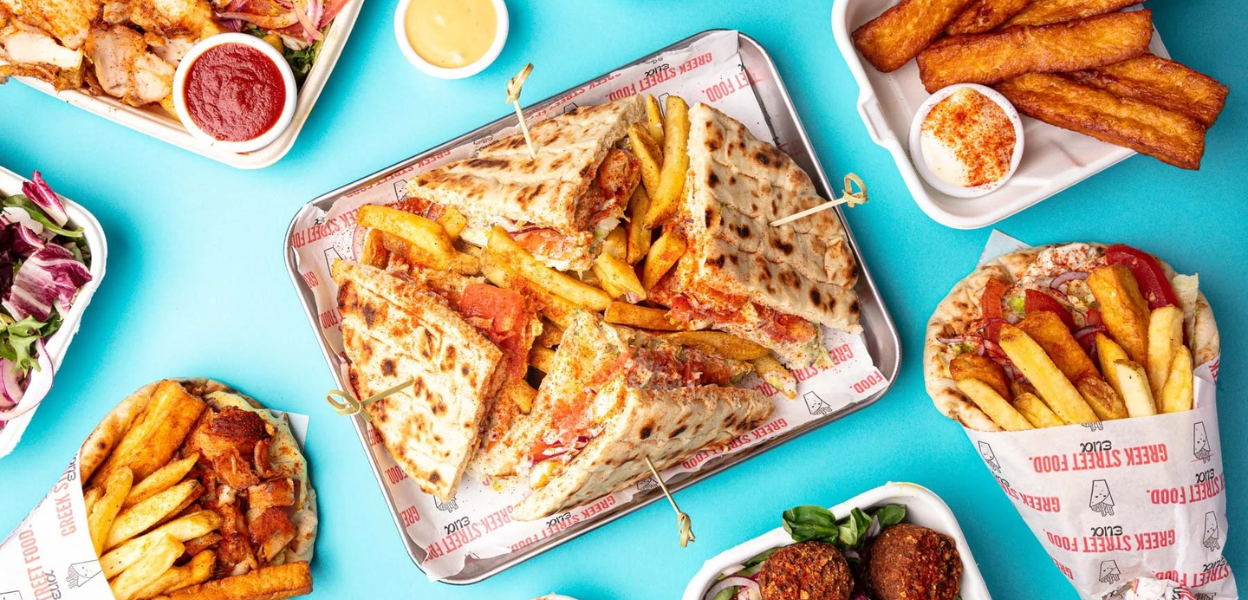
Why Deliveroo Might Be the Fastest Way to Eat Well Without Leaving Home
Deliveroo makes fast food delivery feel effortless, but is it the best value on the market? Here’s what to know before placing your next order.
Deliveroo has changed the way people get meals and groceries in the UK. In a time where "food around me" means convenience, variety, and speed. This platform makes everything accessible in a few taps.
Its signature promise? Freshly cooked meals or essential items delivered from local take away spots, national chains, or supermarkets in under 30 minutes. The app gives a real-time view of your order journey, from preparation to doorstep, often faster than expected. It’s this immediacy that hooks users, especially in bustling urban neighbourhoods.
Whether it's a quick lunch between Zoom calls or grabbing oat milk without stepping out, Deliveroo taps into the rhythm of modern routines. Still, behind the ease lies a complex network of riders, logistics, and costs that aren’t always obvious.
The Full Scope of What Deliveroo Offers
From the outside, Deliveroo looks like a simple food delivery app, but it operates as a detailed logistics system designed to match users with nearby options at speed. The platform doesn’t just focus on restaurant meals. It also delivers groceries, retail items, and essentials. Through features like Deliveroo Hop, users can even request rapid grocery delivery from dedicated micro-fulfilment centres.
Another area where the app sets itself apart is through Deliveroo Editions, delivery-only kitchens that expand restaurant access without storefront overheads. This allows high-demand brands to reach new neighbourhoods using data-driven decisions about what cuisines thrive in each location.
And the reach? As of now, Deliveroo serves over 200 UK towns and cities, covering both metropolitan hubs and suburbs. It continues to grow by adding more partners and tightening delivery zones to preserve its edge on timing and selection.
A Look at Pricing and Subscription Options
The experience might feel seamless, but Deliveroo’s pricing model isn’t always clear-cut. Delivery charges vary based on distance, order size, and restaurant partner terms. Small orders under a restaurant’s minimum spend attract an additional fee. The service fee applied to nearly all orders, supports platform improvements and 24/7 customer support.
Users who order frequently might lean towards Deliveroo Plus, the platform’s subscription model. It offers multiple tiers:
- Plus Silver: Free delivery on orders over £15 from restaurants or £25 from retail.
- Plus Gold: Includes free delivery on smaller orders and 10% credit back on baskets over £30.
- Plus Diamond: An invite-only tier with priority delivery, exclusive events, and enhanced customer care.
Each tier comes with different perks, but the true value depends on order frequency and basket size. Regular users may quickly offset the subscription fee, especially when ordering meals several times a week.
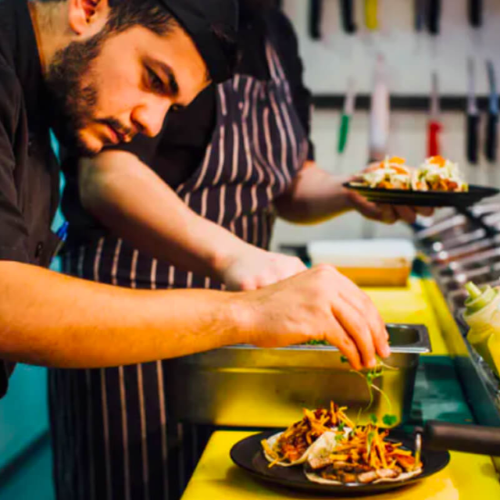
There’s also no shortage of ways to save. Students benefit from waived delivery fees on eligible orders, while Deliveroo discount code offers circulate frequently, especially around holidays, student term starts, and new city launches.
What It’s Like to Be a Deliveroo Driver
Much of the Deliveroo promise depends on its riders. The app’s network of over 130,000 Deliveroo drivers operates on a self-employed basis. Flexibility is often promoted as a core benefit, riders choose their own hours and zones.
Deliveroo was one of the first delivery companies to offer accident and third-party liability insurance globally, free to all riders. That said, pay structure remains a conversation point. Riders are paid per delivery, but income fluctuates depending on area demand, time of day, and wait times at pick-up spots.
Some say the freedom outweighs inconsistencies; others point out gaps in earning transparency or delays between tasks. Deliveroo has introduced systems to track rider satisfaction and continues to trial bonuses during high-volume periods, but there’s no standardised minimum pay.
Comparing Deliveroo with Just Eat
While both Deliveroo and Just Eat dominate the UK’s food delivery space, the platforms aren’t identical. Just Eat typically focuses on take away orders, with a broader presence in suburban and rural areas. Many Just Eat partners handle their own delivery, which can mean slower service or no real-time tracking.
Deliveroo uses its own rider network and smart-routing algorithms that often deliver quicker and with more accuracy in timing estimates. That said, Just Eat usually wins out on lower fees, especially for smaller local restaurants. In city centres, Deliveroo wins on restaurant variety and order speed. Outside major zones, Just Eat might offer a more cost-effective food delivery option.
Sustainability in Focus
Sustainability has become more than a trendy word, and Deliveroo is responding to the demand for eco-conscious services. From biodegradable packaging partnerships to its Freshness Promise on groceries, the platform is actively working to reduce food waste and improve delivery efficiency.
Initiatives like Deliveroo Hop reduce carbon emissions by using tightly packed dark stores, limiting the need for long transport routes. Deliveroo also began testing drone deliveries in Dublin, a move aimed at cutting delivery times and emissions, particularly for less dense areas.
Still, packaging waste and emissions from high delivery volumes raise valid concerns. While individual restaurants make efforts with compostable containers, much of the responsibility remains shared between partners and consumers.
User Experience
The Deliveroo app is built for ease. It stores recent addresses, shows curated offers in each area, and pushes notifications as the order progresses. Real-time map tracking adds peace of mind, especially for high-value grocery deliveries.
Refunds and issues can be managed directly in the app through the Order Help feature. If an item arrives late or missing, users can request compensation within minutes. For subscribers, perks like the On-Time Promise credit provide extra assurance.
Deliveroo doesn’t offer cash on delivery at this time. Payments must be processed through the app, via debit, credit, or Klarna for orders above £30. The absence of Deliveroo cash on delivery keeps transactions contactless and faster but may exclude those without digital payment options.
Deliveroo delivers more than just take away food. With groceries, essentials, and even gift cards available, it has grown into a lifestyle service for time-strapped users. The speed and variety stand out, especially in busy neighbourhoods where traditional food delivery takes longer.
But this ease doesn’t come without cost. Subscription tiers help frequent users, but occasional customers may find fees accumulate quickly. Still, when compared with the experience offered by Just Eat, Deliveroo’s tighter logistics and stronger app design often justify the difference in price. For anyone balancing time, taste, and convenience, Deliveroo answers the call, provided you know how to work the app to your advantage.
For more on where to grab tasty treats from, be sure to follow ChicFitWorld.
Related Blogs

Top Raena Stones Jewelry for Everyday Elegance
Explore the top Raena Stones jewelry picks that combine elegance, comfort, and timeless style. Discover why these versatile accessories are perfect for everyday fashion and special occasions.

LucidLink Review: Cloud File Streaming for Modern Workflows
Discover LucidLink in this detailed review covering cloud file streaming, real-time collaboration, security, integrations, performance, and team productivity benefits.

Laphont Watches That Make Everyday Outfits Feel More Personal
Laphont watches have become conversation pieces for anyone drawn to playful shapes and everyday styling. This guide helps you choose four standout designs with fewer doubts.