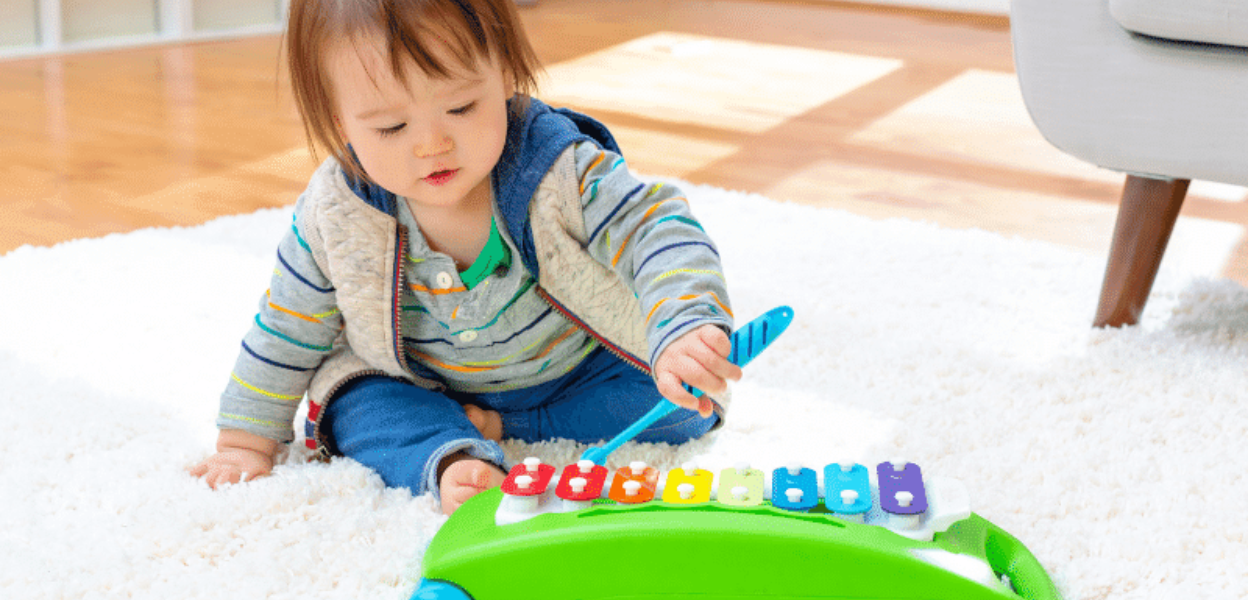
The Best Toys for Speech Development According to Experts
This blog shares toys speech therapists recommend most, plus how to use them at home to support development.
Parents often wonder how to support their child’s communication skills at home and the good news is that many of the tools speech therapists rely on look exactly like play. The right toys create a space for conversation, imagination, repetition, and meaningful interaction. They help children practice new words and sounds in moments that feel natural rather than structured.
Speech development happens fastest when kids feel comfortable experimenting with language which is why speech development toys are becoming essential in early childhood. These toys are designed to spark back and forth engagement, encourage expression, and strengthen the building blocks of communication. With thoughtful use, everyday play sessions become opportunities for growth.
Why Toys Matter So Much in Speech Development
Children learn language socially and visually which means toys that invite cooperation and interaction hold more value than toys that simply entertain. When a toy encourages the child to direct the story or explain what they are doing, they strengthen vocabulary, sequencing skills, articulation, and confidence. The best toys blend creativity with purposeful moments that naturally prompt children to talk more.
Therapists often choose toys that promote speech development through familiar scenarios such as pretend cooking, caring for dolls, or role play with animals. These routines give children a foundation to build sentences, practice conversation, and introduce new concepts without pressure. Sensory toys are also helpful because they encourage describing words, emotion sharing, and cause and effect explanations.
What Makes a Toy Effective for Speech and Language Growth
When selecting speech development toys, there are a few qualities that consistently make a difference. They should invite participation, leave room for imagination, and encourage children to label actions or objects. Toys that require turn taking also support communication because they create space for listening and responding.
Many parents assume they need items that explicitly teach words but the goal is interaction rather than memorization. When the toy guides the child too strongly, they lose opportunities to form their own ideas. The most effective toys allow children to explore freely while naturally opening the door for conversation.
Below are characteristics therapists look for when choosing toys that promote speech development.
Open-Ended Play
Open-ended toys inspire creativity and encourage children to express themselves in different ways each time they use them.
Multiple Ways To Interact
A toy that can be moved, sorted, combined, or used for storytelling supports a wider range of language opportunities.
Opportunities For Pretend Play
Role play scenes mirror real life which makes it easier for children to use familiar vocabulary and build meaningful connections.
Encourages Back And Forth Engagement
Toys that involve taking turns or completing tasks together support conversational rhythm.
Expert Recommended Toys for Supporting Speech
Speech therapists tend to prefer simple items that create rich communication moments. Here are categories that consistently rank among the best toys for speech development.
Pretend Play Sets
Pretend play holds tremendous value in language learning because it encourages children to narrate their actions, assign roles, and describe feelings or needs. Kitchen sets, doctor kits, dollhouses, and animal figures inspire storytelling and vocabulary building.
A kitchen set, for example, invites endless possibilities. The child can describe ingredients, choose actions like stirring or pouring, and share pretend meals. A dollhouse helps children identify emotions, discuss routines, and explore family roles. Animal figures allow them to practice sound imitation and descriptive words. These scenarios often lead to spontaneous conversation which is the heart of language development.
Books Paired with Toys
Combining stories with play strengthens sequencing, comprehension, and expressive language. A simple storybook paired with themed characters gives children visual references and encourages them to retell the story in their own words. This technique supports vocabulary expansion and sentence shaping.
Speech therapists frequently use picture books with matching puppets because puppets add an element of playfulness that encourages even shy children to speak. Using puppets as characters helps children act out events, express emotions, and practice dialogue.
Sensory Toys
Sensory play brings out descriptive language. Water tables, kinetic sand, textured balls, and sensory bins encourage words related to touch, size, movement, and cause. These toys are also especially helpful for children who experience hesitation with verbal expression because sensory play relaxes the mind and reduces pressure to “perform.”
Children practicing sounds can label textures like smooth, rough, squishy, stretchy, or sticky. They can describe actions such as scoop, sprinkle, pour, or squeeze. These early descriptive words build a foundation for more advanced language skills later.
Building Toys
Blocks, magnetic tiles, and stacking toys are favorites in speech sessions because they prompt planning and explanation. A child might tell you what they are building or name colors and shapes. They might ask for pieces which promotes conversational exchange.
These toys also help with sequencing. Children can describe steps such as first build the base then add walls then make the roof. This is a critical language skill that supports early literacy and comprehension.
Music and Rhythm Toys
Toys related to music encourage imitation and sound production. Instruments like shakers, drums, and xylophones invite vocal play, repetition, and rhythm awareness. Children often sing along or imitate beats which supports articulation practice.
Songs with actions encourage natural pairing of words and movements helping children remember new vocabulary. Music also boosts confidence and encourages expressive communication.
How to Use Speech Therapy Toys at Home
Choosing the right speech therapy toys is only part of the process. How parents use them matters just as much as the toys themselves. Here are expert-approved strategies to make the most of playtime.
Follow The Child’s Lead
Let your child choose how to interact with the toy. You can join the play and model language rather than direct it.
Narrate Your Actions
Simple commentary enriches vocabulary. Describe what you see, hear, or feel. This gives children a model to imitate.
Offer Choices
Choices encourage verbal expression. Instead of handing a toy directly, ask questions that invite responses such as Would you like the red block or the blue block.
Pause Intentionally
Give your child quiet space to process and respond. Pauses create the opportunity for them to speak without feeling rushed.
Expand Their Words
If a child says car you can expand it to fast car or car goes up the ramp. This builds richer language without pressure.
When Toys Support Speech Delay
Parents of children with speech delays often feel unsure where to start. The good news is that many toys for speech delay look similar to toys used with all preschoolers. The key is consistency and intentional interaction.
Therapists often recommend therapy toys that emphasize cause and effect because they motivate children to communicate their needs. Toys that require a parent to activate them for the child such as wind up toys or bubble machines create natural opportunities for requesting.
Pretend sets, sensory bins, and puppet play are also widely used as therapeutic toys because they tap into imagination and emotional expression. These toys give children a safe environment to practice sounds, words, and short phrases with support.
Children learn language through connection and curiosity. Well chosen speech development toys turn everyday play into opportunities for conversation, storytelling, and self expression. They support early language foundations, strengthen confidence, and help children build the communication skills they will carry through their entire childhood. From pretend sets to sensory toys and musical instruments, the best toys engage both the mind and imagination. Parents who include these toys in their routine give their child a playful and effective way to grow their speech skills at home.
Follow ChicFitWorld for more on the best toys.
Related Blogs
Grüns Guide to Superfood Gummies and Daily Nutrition
Discover Grüns superfood gummies for adults and kids, featuring vitamins, minerals, fruits, vegetables, and other plant-based ingredients. Compare flavors, sugar options, daily packs, and subscriptions before choosing a formula.
NuBest Supplements Review: A Complete Guide to Products for Kids and Teens
Discover NuBest supplements for kids and teens, including gummies, chewable vitamins, capsules, and protein powders. Explore product features, compare options, and learn how to find the best NuBest deals.

TMates Review: A Guide to Online Healthcare and Wellness Treatments
TMates makes exploring healthcare and wellness treatments easier with online consultations and home delivery. From weight management and hair growth to skincare and anti-aging solutions, discover its treatment options, understand the process, and find out what to consider before choosing a personalized healthcare plan.