Best Toys for Kids Who Need Help Self-Regulation
This guide breaks down sensory toys, movement tools, and comfort items that help children manage big feelings with research-backed insights and practical recommendations.
Children experience strong emotions every day, and many still need guidance to manage them. Parents often search for tools that help their child stay calm, focused, and steady through daily challenges. The right toys can support that growth. The world of self regulation toys has expanded in recent years due to rising awareness of childhood emotional health. These toys help children process feelings, develop comfort through sensory experiences, and build confidence in their ability to settle themselves.
This type of play is powerful. When a child uses a toy that soothes the nervous system, strengthens body awareness, or encourages slow, intentional actions, they learn essential life skills. Emotional balance does not develop overnight. It forms through repeated moments of calm, during both play and daily routines.
Parents now look for toys that support emotional regulation instead of overstimulation. The goal is to help children handle big reactions and guide them back to a place of comfort. Speech therapists, occupational therapists, and child development specialists often recommend sensory based items because they create natural opportunities for grounding and self awareness.
Why Kids Benefit From Sensory Support
Many children seek movement, pressure, texture, or visual focus when they feel overwhelmed. Sensory toys help meet those needs. They are designed to help the brain process input in a steady way. A child squeezing a soft ball or tracing a textured surface begins to regulate their emotions through repetition and gentle focus.
As emotional development grows, children gain more confidence in themselves. They learn to pause, breathe, and choose how to respond. Parents notice smoother transitions, calmer bedtimes, and fewer meltdowns. Sensory play also strengthens self trust because children start recognizing what helps them feel safe.
Young children also benefit from these tools because early childhood is a time of rapid growth. Their minds work fast. Their feelings run high. They explore constantly. When toys encourage calm focus, children slow down enough to understand their emotions and express them in healthier ways.
Why Babies Also Need Self Regulation Support
Support for infants often looks gentle and simple. They need comfort, soothing textures, and toys that promote early sensory awareness. Baby development toys help introduce touch, sound, and movement in safe, intentional ways. Babies begin learning cause and effect which builds emotional confidence later in toddlerhood.
Soft rattles, fabric books, and textured teethers help babies explore while staying comforted. These items introduce sensory experiences without overwhelming the nervous system. Parents often notice that babies settle faster when they have something steady and repetitive to hold.
Even the most basic toys for babies can influence emotional development. A soft ball or crinkle book helps a baby release tension. A light shaker activates curiosity. When parents choose toys designed to meet sensory needs, they support healthy regulation from the earliest months of life.
Categories of Toys That Help Kids Self Regulate
Professionals often look for toys that provide a specific sensory effect. Each type helps the brain and body return to balance in its own way. Below are the categories most recommended by developmental experts.
Deep Pressure Toys
Weighted animals, soft lap pads, and plush toys with gentle pressure help children who crave comfort and grounding. The weight creates a sense of security. A child using a weighted plush often settles faster during quiet play or bedtime. These toys help children feel anchored which reduces stress and supports emotional stability.
Fidget and Focus Tools
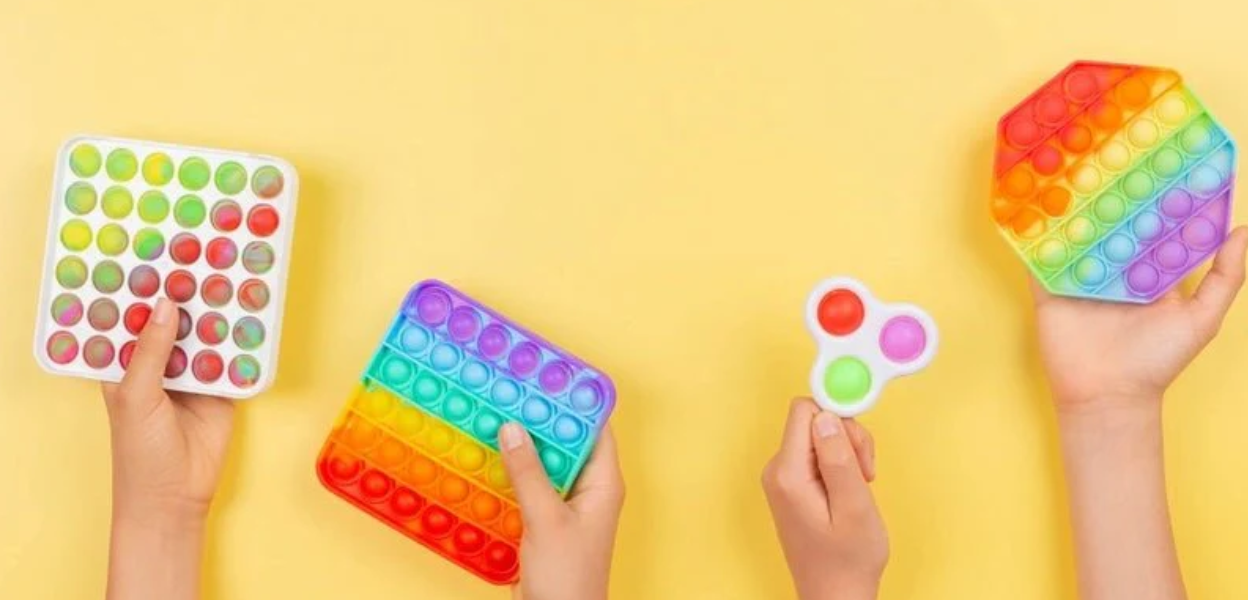
Fidgets create steady tactile input. They help children direct excess energy in a controlled way. Stretchy strings, soft beads, pop toys, or smooth stones give the hands something to do which frees the mind to stay calm. These sensory tools work well for kids who struggle during homework or transitions.
Movement Based Toys
Some children regulate through physical action. For them, toys that encourage gentle motion are ideal. Items such as balance boards, rocking toys, or sit-and-spin seats help move excess energy out of the body. The movement resets the nervous system and helps the child feel steady again. A small outdoor playset or climbing frame also supports regulation because it gives children a safe space to release stress while staying engaged in purposeful movement.
Visual and Auditory Calming Toys
Soft lights, slow moving bubbles, and gentle musical toys support children who respond to visual or auditory input. These objects shift focus away from overwhelming emotions. Bubble tubes, calm jars, and rainmaker toys give children something predictable and soothing to watch or hear.
These toys are also helpful for bedtime routines because steady patterns promote relaxation.
Developmental Toys That Support Long Term Emotional Growth
Many parents focus on immediate calming results, but long term regulation develops through consistent practice. Developmental toys help children build patience, fine motor strength, sequencing skills, and steady focus. These abilities form the foundation of emotional control.
Puzzle boards, shape sorters, stacking toys, and simple building sets help children slow down and complete a task. They must concentrate, stay present, and make adjustments as they go. These problem solving experiences build resilience because children gain confidence in completing challenges.
Developmental play also strengthens executive function. Children begin to plan actions, wait their turn, and think before reacting. These skills directly influence emotional control as they grow older.
How to Support Emotional Regulation With Play
Choosing the right toys is only one part of the process. The way parents use them influences how effective they become. Children learn best through connection and steady routines. Here are strategies used by therapists and child development experts.
Create a calm corner at home
A small cozy space helps children reset whenever they feel overwhelmed. Place a few self regulation toys in a basket along with a soft pillow or blanket. This corner becomes a safe place where the child practices emotional awareness.
Model calming actions
Children mirror the adults around them. Take slow breaths, squeeze a soft toy, or roll a sensory ball between your hands. When they see these actions, they begin to copy them naturally.
Describe actions with simple words
Simple language reinforces emotional recognition. Phrases such as soft squeeze or gentle roll help children understand how the toy supports them.
Focus on connection
The goal is to help the child feel seen and supported. When parents play alongside their child with soothing tools, they strengthen communication and trust.
Toys That Support Kids With Stronger Emotional Needs
Some children feel emotions more intensely. For them, toys for babies and older kids that focus on sensory input offer extra support. Children with sensory processing difficulties benefit from toys that give consistent feedback such as weighted plush, vibrating toys, or textured rollers.
Therapists often rely on therapeutic toys to support children with emotional regulation challenges. These toys help release tension, encourage slow breathing, and give children something steady to focus on. They offer comfort during transitions, new environments, or stressful moments.
Children develop emotional balance through practice, comfort, and connection. The right self regulation toys turn everyday play into meaningful support for emotional health. These toys help children move through frustration, uncertainty, and sensory overload with greater confidence. They shape skills that remain valuable throughout childhood. Parents who select sensory toys, developmental items, and calming tools give their children powerful resources for emotional growth. The benefits extend into social interactions, school success, and overall well being.
For more guides on toys that support healthy growth, follow ChicFitWorld.
Related Blogs

MXXN Review: A Better Alternative to Alcohol
Read this MXXN review to discover how it replaces traditional alcohol with a smoother, controlled experience while keeping familiar flavors for social drinking.
New West Knifeworks Sharpener Review: Performance Breakdown
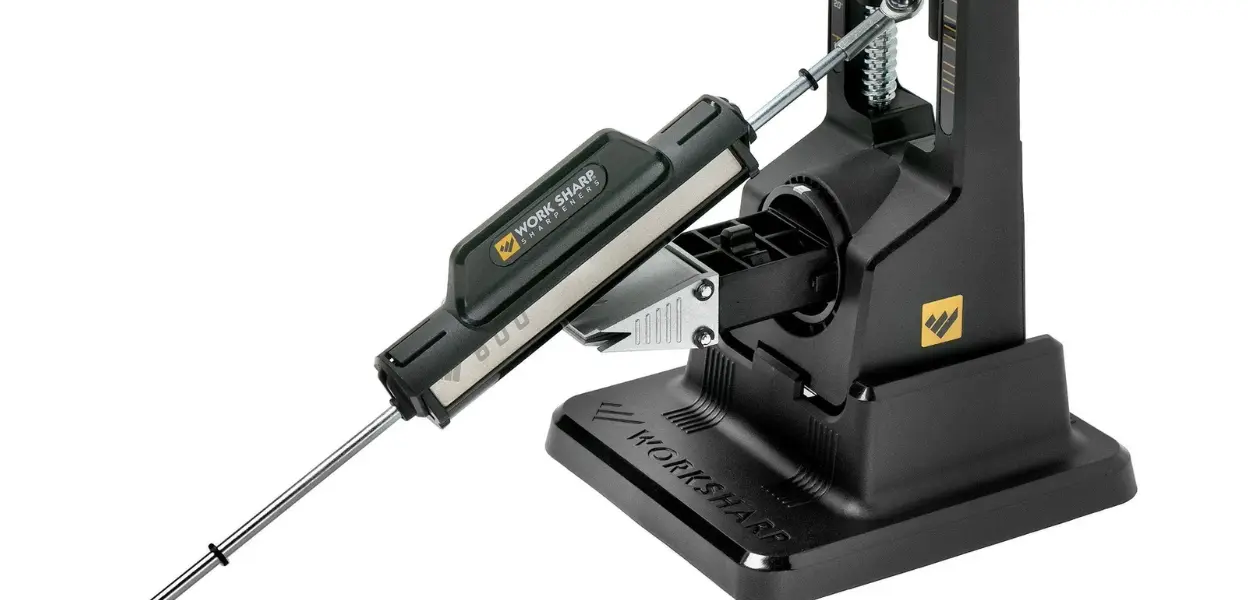
Dull knives can make even simple kitchen tasks feel annoying and tiring. In this new West Knifeworks review, we take a close look at the Work Sharp Precision Adjust Sharpener from New West KnifeWorks to see how well it actually works.

Pocket AI Review: Better Than Traditional Note-Taking?
In this Pocket AI review, take a closer look at how the tool simplifies recording conversations. Instead of dealing with long recordings or messy notes, Pocket AI helps you turn every meeting or call into clear, organized insights that are easy to act on.