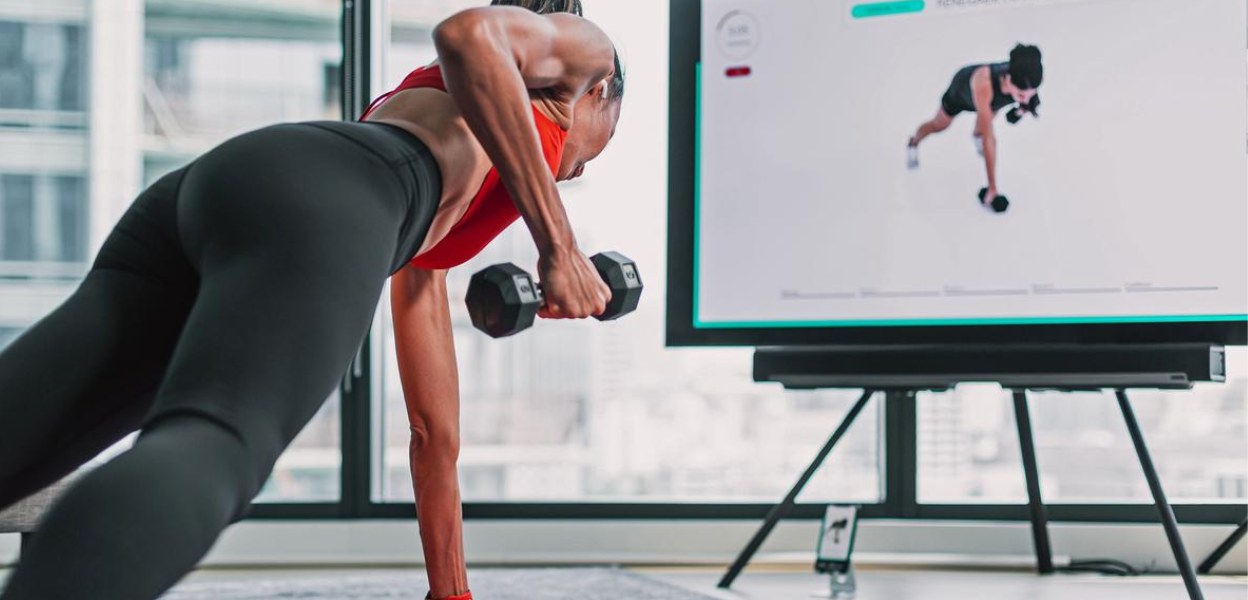
Can AI Really Replace Your Personal Trainer? A Look at Smart Workouts Today
AI fitness apps are becoming digital coaches but are they as effective as a real trainer? Here's what they're great at, and where they still fall short.
A few years ago, the idea of having a personal trainer who lived inside your phone might’ve felt futuristic. But today, it's everywhere and surprisingly effective. From AI-generated reps to real-time recovery tracking, AI personal trainer platforms are turning smartphones into customized fitness instructors. But how does it actually work?
AI fitness coaching uses machine learning to analyze your workout data, feedback, and preferences. From there, it generates workouts, adjusts difficulty based on performance, tracks recovery markers, and even offers cues for form depending on the platform. These tools don’t just spit out cookie-cutter programs. They evolve with you.
The Leading AI Fitness Apps of Today
The surge of interest in AI-led fitness has brought a wave of platforms, each offering slightly different angles on personalization, performance, and tech.
- Lumin focuses on holistic recovery and strength, using sleep and stress data to adjust your workouts daily.
- Fitbod continues to be a go-to for gym-based users, using muscle recovery analytics to avoid overtraining.
- Freeletics blends AI with motivational coaching, giving users feedback on their movement pace, frequency, and skill mastery.
- Aaptiv Coach offers audio-based programs that learn from your progress and shift accordingly.
- Future still pairs real coaches with AI insights perfect for those wanting a hybrid approach.
These apps aim to become more than planners. They’re evolving into full-on AI fitness coaches, learning your patterns and nudging you forward in real time.
What AI Gets Right About Training
There’s a reason more people are turning to AI workout plans, why? Because they’re consistent, data-driven, and always available. Unlike a human fitness instructor, these platforms don't get sick, take vacations, or miss your text.
Smart Adaptation
One of the biggest benefits of AI training is how it adapts. Whether you’re under-slept, feeling sore, or skipping workouts, apps like Lumin and Fitbod read your trends and change up your plan. No guilt trips, just smarter suggestions.
Personalization Without the Premium Price
A gym coach can cost upwards of $100 per session. Meanwhile, AI tools offer monthly plans at a fraction of that. For users on a budget or with unpredictable schedules, it’s a game-changer.
Plus, your plan is never static. AI fitness planners consider your workout history, body metrics, progress, and even rest days to build sessions that make sense for you, not just a generic fitness level.
Increased Consistency
Consistency is where real gains happen. With AI, you’re not relying on mood or motivation. You open the app, press start, and follow along. That kind of automation can remove a lot of mental friction.
For those who struggle with decision fatigue or planning paralysis, AI workout planners are the ultimate no-excuse tool.
Where AI Still Falls Short
But is an algorithm enough? Despite the perks, AI gym trainers still have gaps that limit their impact, especially for users with specific goals, injuries, or motivation struggles.
Lack of Emotional Intuition
A human personal trainer knows when to push you and when to pull back. They can spot frustration, fatigue, or insecurity, not just reps and time. AI, for all its brilliance, lacks emotional nuance. It can suggest rest days, but it can’t read your face during a hard set or know when you’re just having a rough day.
Motivation Without Accountability
Yes, many apps try to replicate the encouragement factor through push notifications and streak tracking. But let’s be real, getting a ping from your AI fitness coach doesn’t hit the same as having someone waiting for you at the gym. For users who thrive on external accountability and face-to-face coaching, AI might feel a little... cold.
Form Correction Still Needs Work
While some platforms are starting to integrate video feedback (like Tempo or Peloton Guide), real-time form correction isn’t widely available yet. If your squat is off or your pushup form is risky, AI can’t always catch it, and that’s where injury risk creeps in.
How to Use AI Coaching Alongside Real-World Feedback
So, what’s the sweet spot? AI doesn’t need to fully replace your gym coach; it can enhance your training between sessions. For example:
- Use AI workout plans during travel or between personal training sessions.
- Let AI handle strength days, and consult a human trainer for skill work or injury rehab.
- Use apps to log workouts and track progress while still checking in with a real fitness instructor every few weeks.
This hybrid model is actually where the fitness world is headed. Think less “either-or,” more “both-and.”
Who Thrives With AI-Led Training?
If you’re someone who thrives on structure, values progress tracking, and doesn’t need a ton of external motivation, AI personal trainer platforms can be incredibly effective.
They’re also ideal for:
- Beginners: Apps like Freeletics and Aaptiv offer gradual progressions.
- Travelers: AI workouts are flexible and app-based, requiring minimal setup.
- Data nerds: Recovery trends, HRV analysis, performance insights—these platforms deliver numbers galore.
- Introverts or gym-anxious folks: Sometimes, the privacy of training solo just hits right.
On the flip side, if your goals include form refinement, mindset breakthroughs, or navigating chronic pain or pregnancy/postpartum stages, a human trainer still offers irreplaceable depth.
Experiences With AI Workout Plans
Grace, a freelance designer, started using Fitbod during lockdown and hasn’t looked back. “It keeps things fresh without me needing to think about it,” she says. “My plan adjusts to how much time I have and which muscles are sore.”
Jorge, a former college athlete, uses Lumin to stay on track with recovery post-injury. “It’s like a coach that actually listens,” he says. “My workouts shift based on my energy, not just some calendar.”
And Maya, a busy mom of two, relies on Freeletics. “Between work and kids, I needed something that was ready whenever I was. AI makes that happen.”
These are the new normal. People using AI as a tool, not a crutch.
The question isn’t whether AI can replace your personal trainer. It’s whether AI can support you in ways a traditional model can’t. And the answer is yes but when used wisely. AI fitness coaching brings accessibility, adaptability, and structure to a world that often demands more from us than we can give. It’s a silent partner, showing up day after day without judgment. But just like any tool, it works best in the hands of someone who knows what they need. Use it to supplement, not substitute. Let it guide, but not dictate. And remember, your fitness journey is still your own.
For more real-world fitness insights like this one, follow Website.
Related Blogs

Grüns Guide to Superfood Gummies and Daily Nutrition
Discover Grüns superfood gummies for adults and kids, featuring vitamins, minerals, fruits, vegetables, and other plant-based ingredients. Compare flavors, sugar options, daily packs, and subscriptions before choosing a formula.

NuBest Supplements Review: A Complete Guide to Products for Kids and Teens
Discover NuBest supplements for kids and teens, including gummies, chewable vitamins, capsules, and protein powders. Explore product features, compare options, and learn how to find the best NuBest deals.

TMates Review: A Guide to Online Healthcare and Wellness Treatments
TMates makes exploring healthcare and wellness treatments easier with online consultations and home delivery. From weight management and hair growth to skincare and anti-aging solutions, discover its treatment options, understand the process, and find out what to consider before choosing a personalized healthcare plan.